Airpelago announced on November 24 that it has completed a platform migration enabling a Swedish-hosted deployment option for grid-inspection customers. The infrastructure is Swedish-owned and managed by Proact, according to the company.
What the company announced
Airpelago says the configuration covers high-resolution inspection imagery, LiDAR point clouds, asset data and its Airpelago Power platform. It describes an option in which the entire service can operate without data leaving Swedish-owned server infrastructure or depending on US cloud providers.
This is an option for customers that require it. The announcement does not establish that every customer uses this configuration. Airpelago also says inspection quality, automation and scalability remain the same; those are company claims rather than performance results independently verified by Broken Rotors.
Why it matters beyond the flight
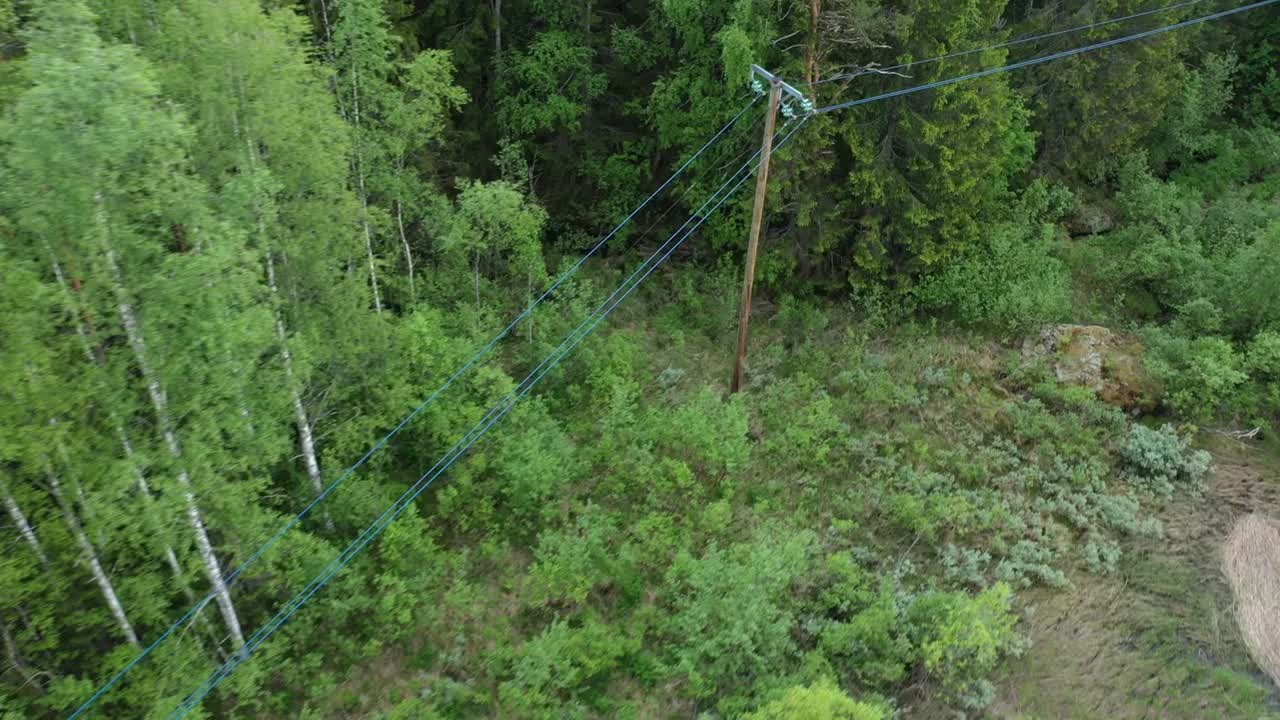
Our analysis: a power-line inspection does not finish when the aircraft lands. Images and point clouds still need to reach the people who assess an asset and decide what to do next. Hosting choices are therefore part of the service a drone operator delivers, alongside collecting useful data.
For enthusiasts considering inspection work, this is a reminder to understand the whole workflow. Before promising a customer a particular handling arrangement, ask where files are uploaded, who can access them, how backups work and which other providers are involved. The answers belong in the project discussion early, before crews start collecting data.
A hosting location is one part of that conversation. It does not, by itself, demonstrate secure access controls, effective recovery procedures or compliance with every customer's requirements. The announcement does not include an independent security audit, and readers should treat its sovereignty language as the supplier's description of the offered configuration.
The useful follow-up will be how customers adopt the option and what operational detail Airpelago provides about it. For the wider drone industry, the practical lesson is that the destination of inspection data can matter alongside the route flown to collect it.