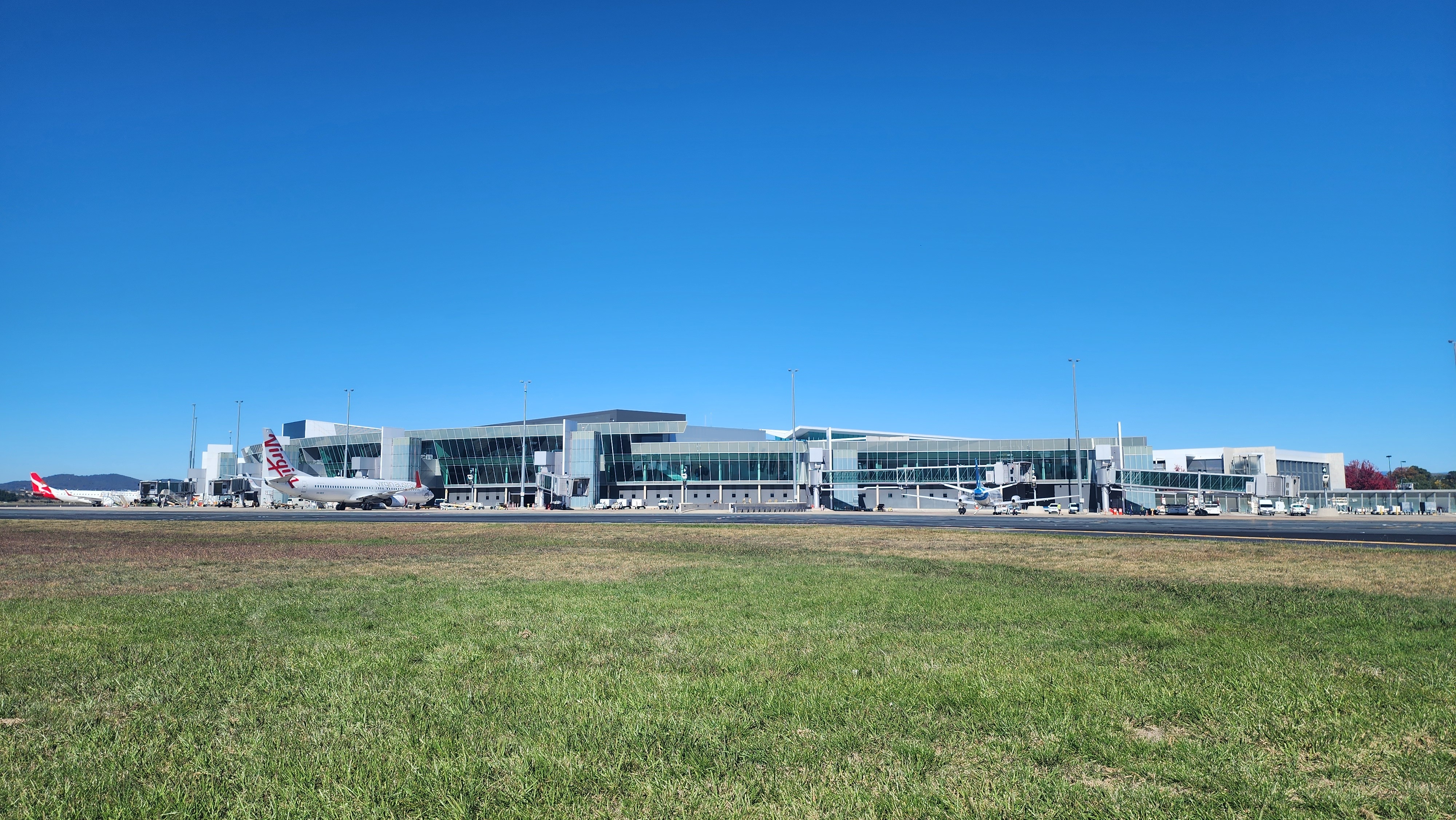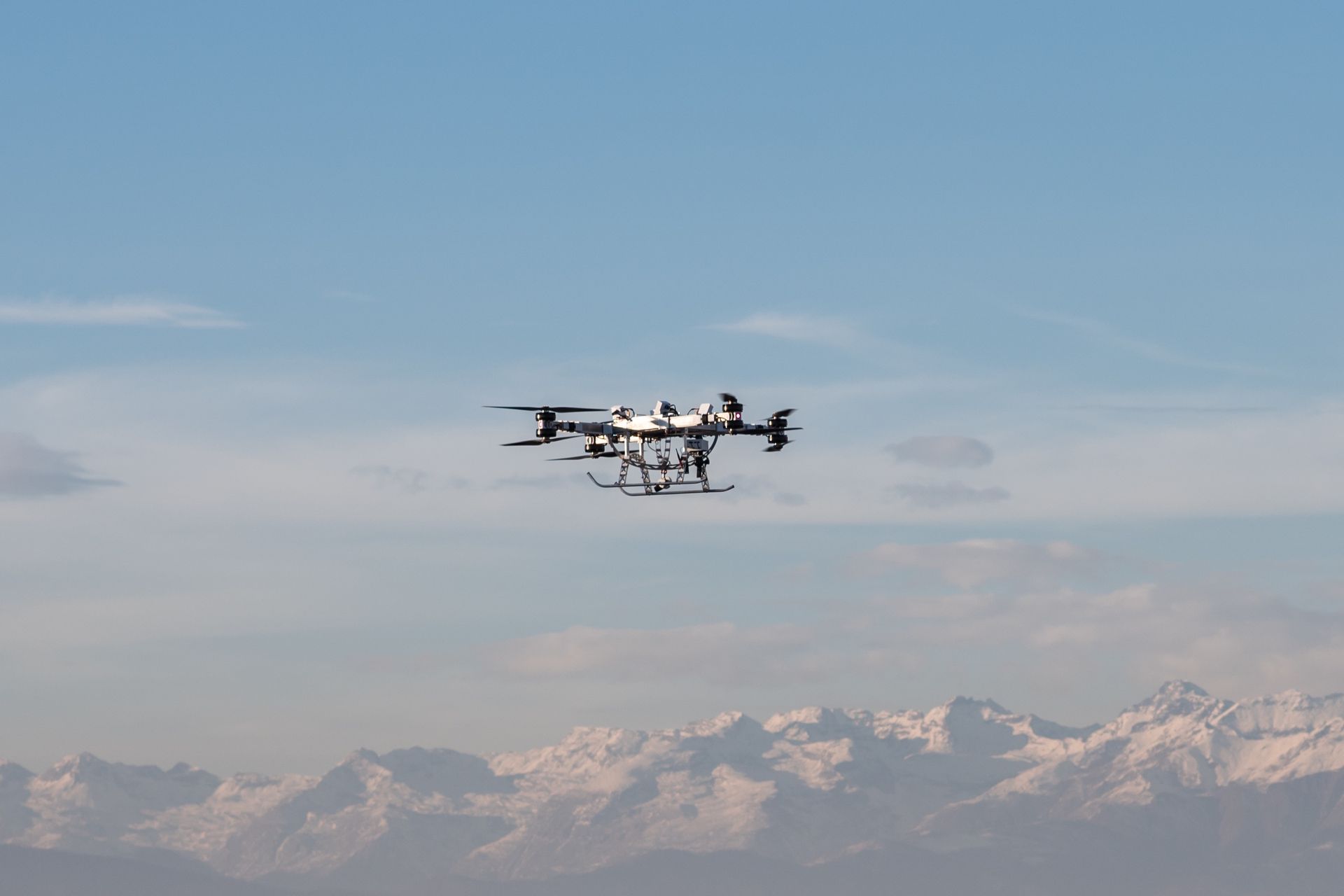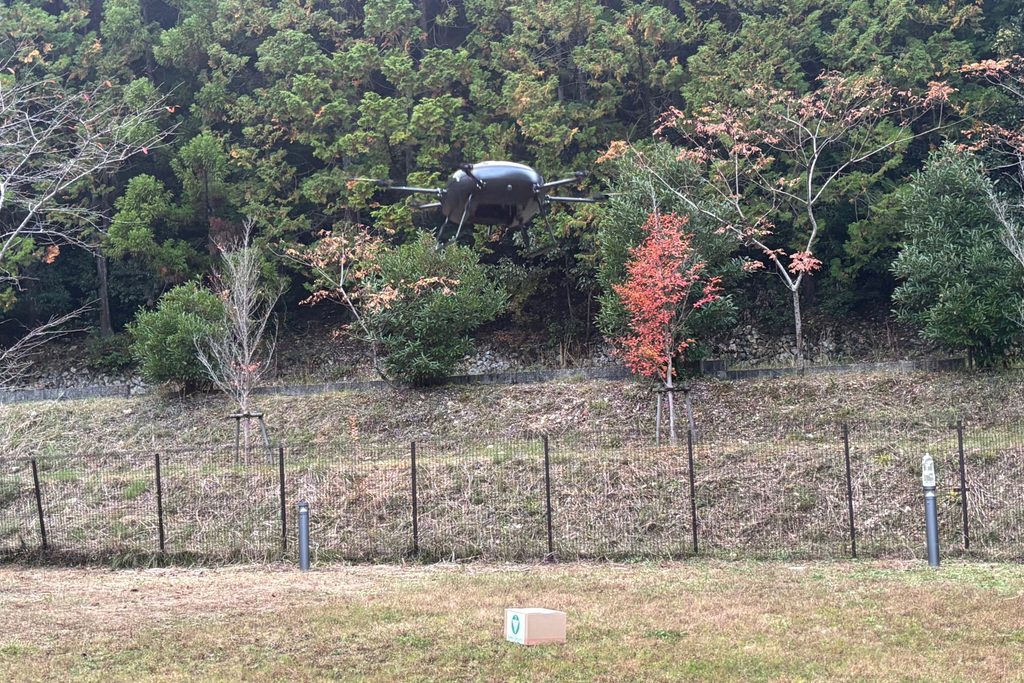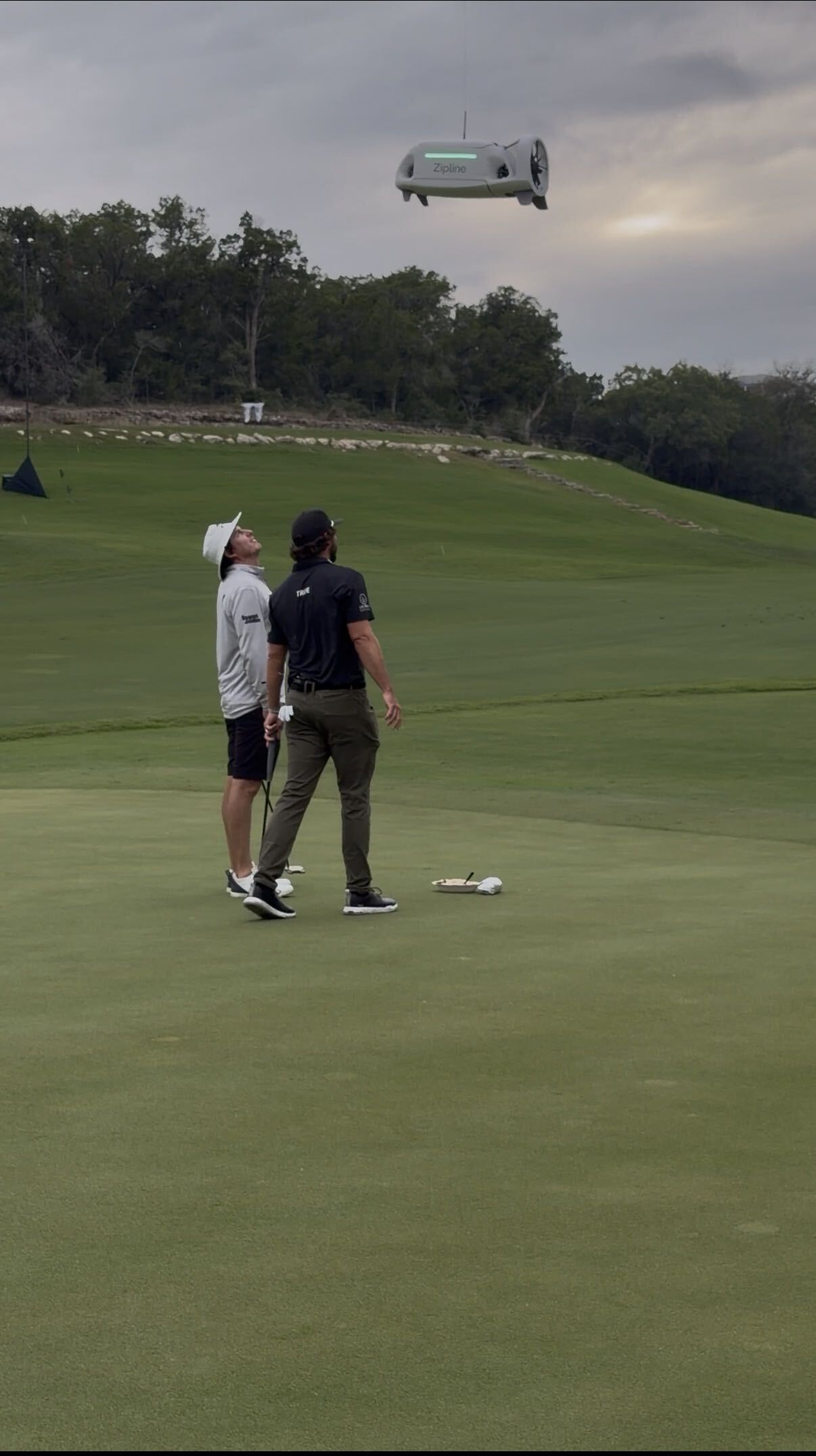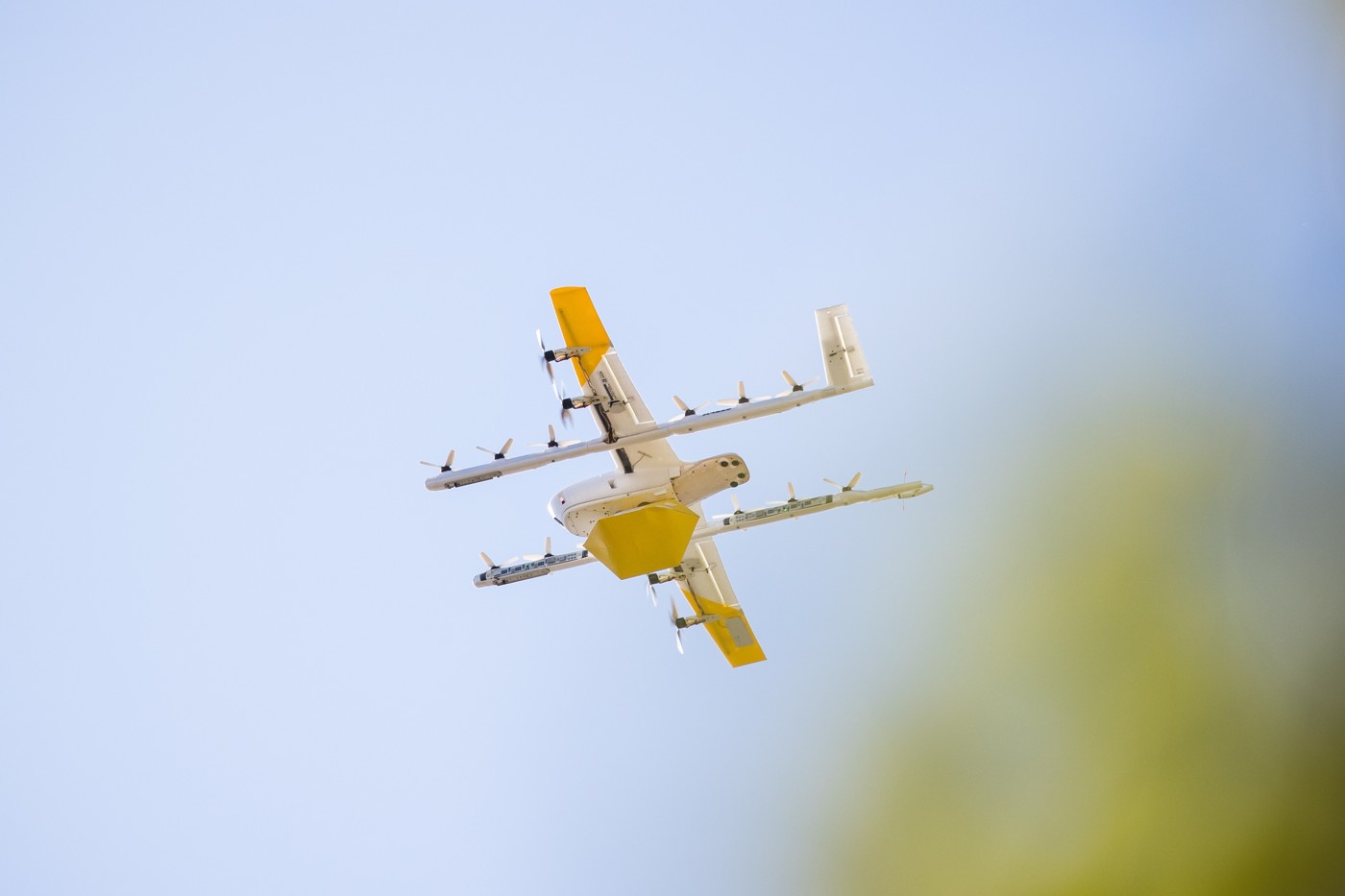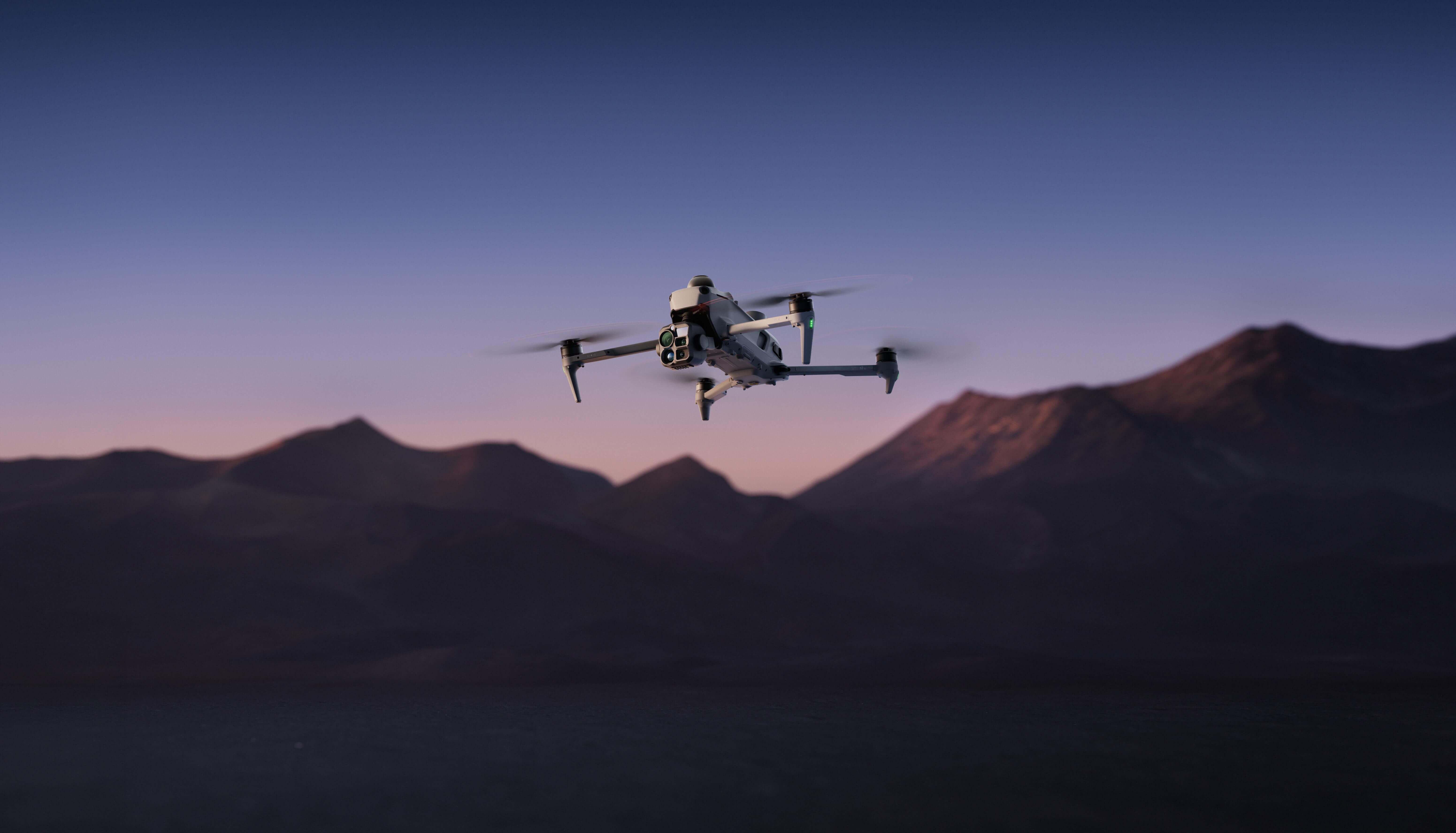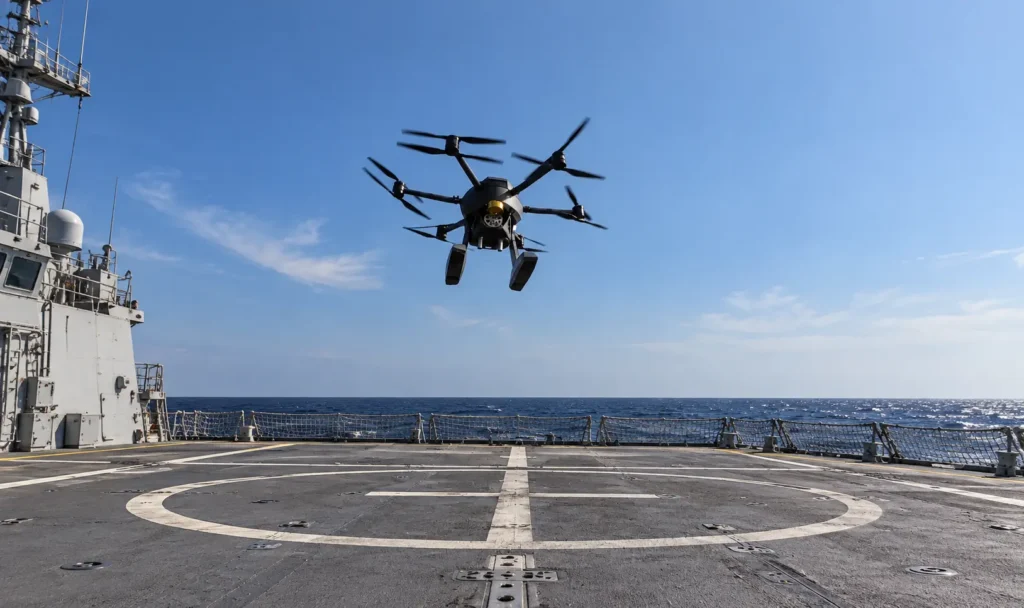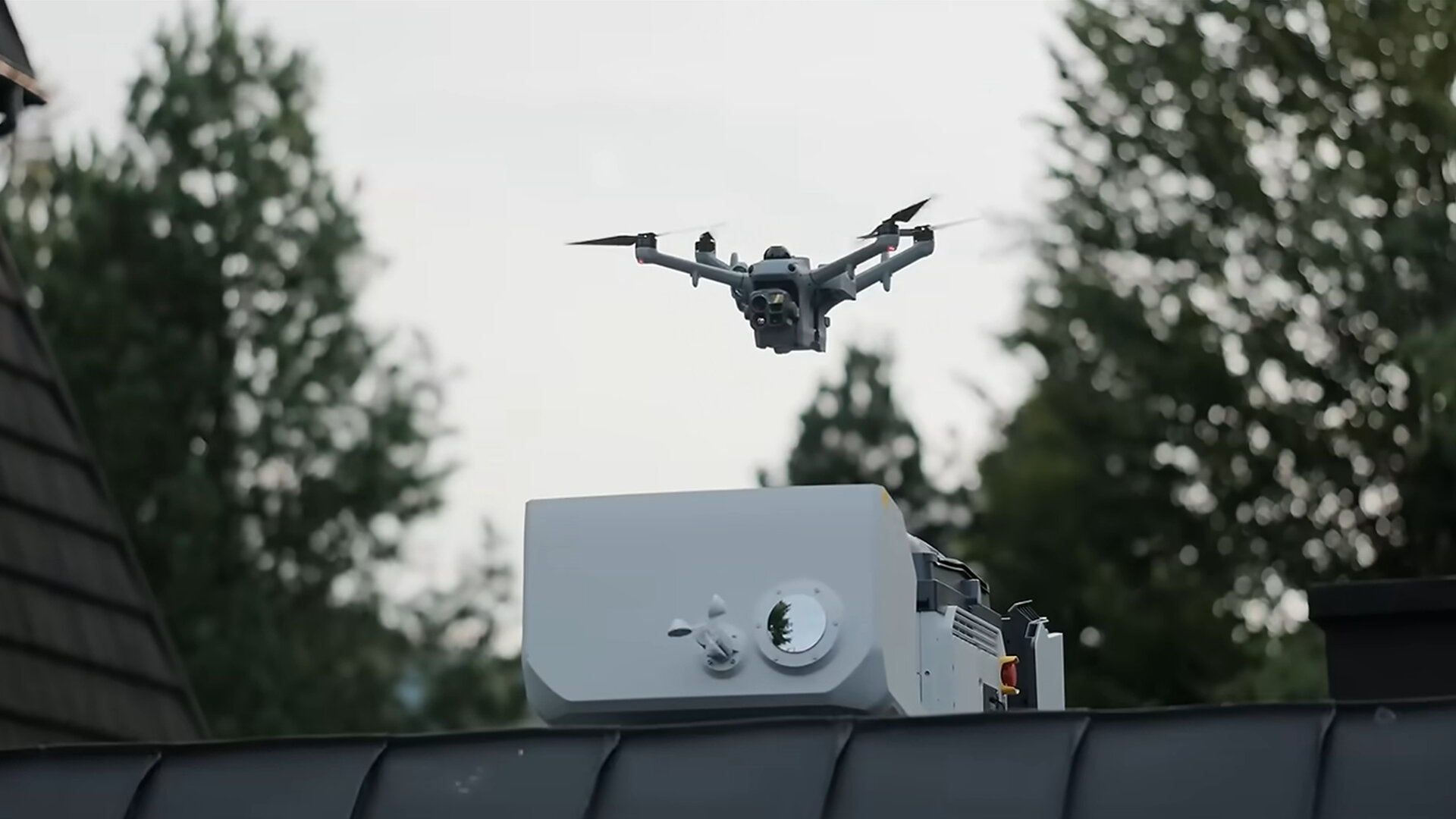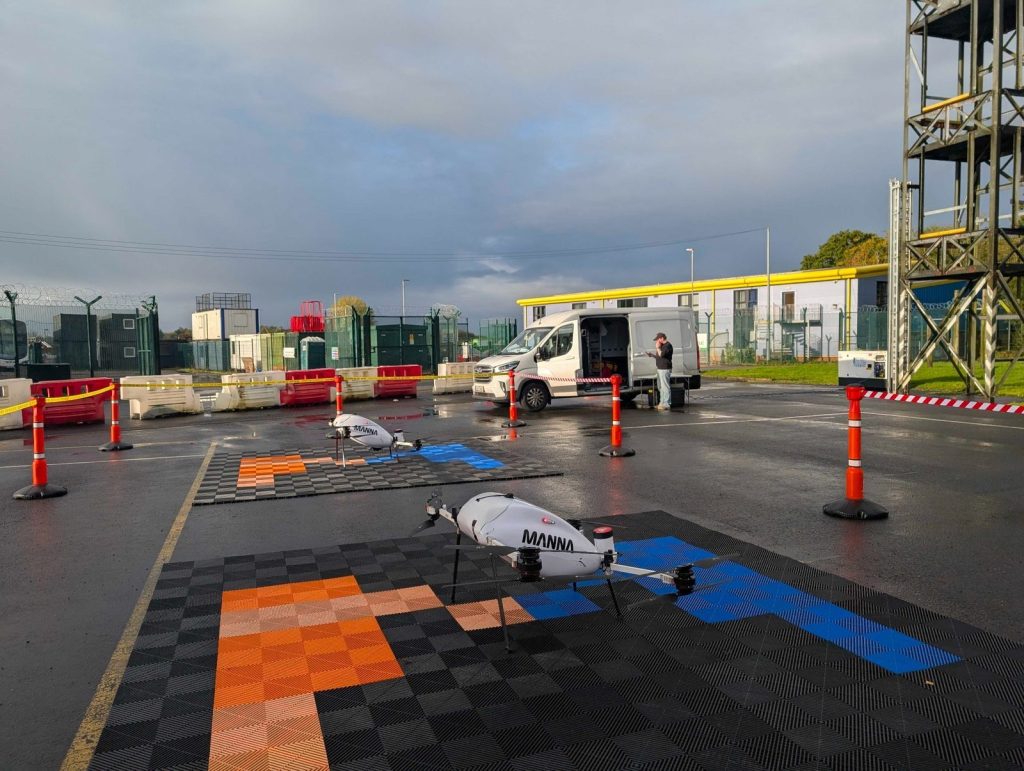
Delivery companies Wing and Manna Air Delivery and Lancashire Fire and Rescue Service flew drones in the same test airspace over Chorley, England, using two separate traffic management systems. ANRA Technologies reported the results on November 9 and said the UK Civil Aviation Authority approved the coordination approach used in the demonstration.
How the operators shared their plans
The flights took place in a Temporary Danger Area and included operations both within and beyond pilots’ visual line of sight. Manna and the fire service used ANRA’s traffic management service, while Wing used its own system. The two services exchanged flight intentions using the ASTM F3548-21 standard. That let them flag potential overlaps in planned routes before takeoff, a process known as strategic deconfliction.
The UK aeronautical notice for Chorley describes a temporary arrangement for drone operations. ANRA says the demonstration is part of an industry effort to develop a shared approach that could work in other locations and with additional operators.
Why it matters to drone enthusiasts
Consider a delivery drone scheduled to cross an area where a fire service plans to survey an incident. If both operators can see that their proposed flights overlap, one can adjust the route or timing before either aircraft launches. A common way to exchange plans lets the operators keep the tools they already use.
That planning step addresses conflicts between flights that the systems know about. The Chorley demonstration leaves a practical question for wider use: how will operators handle a flight that changes course at short notice or encounters traffic that did not share a plan?