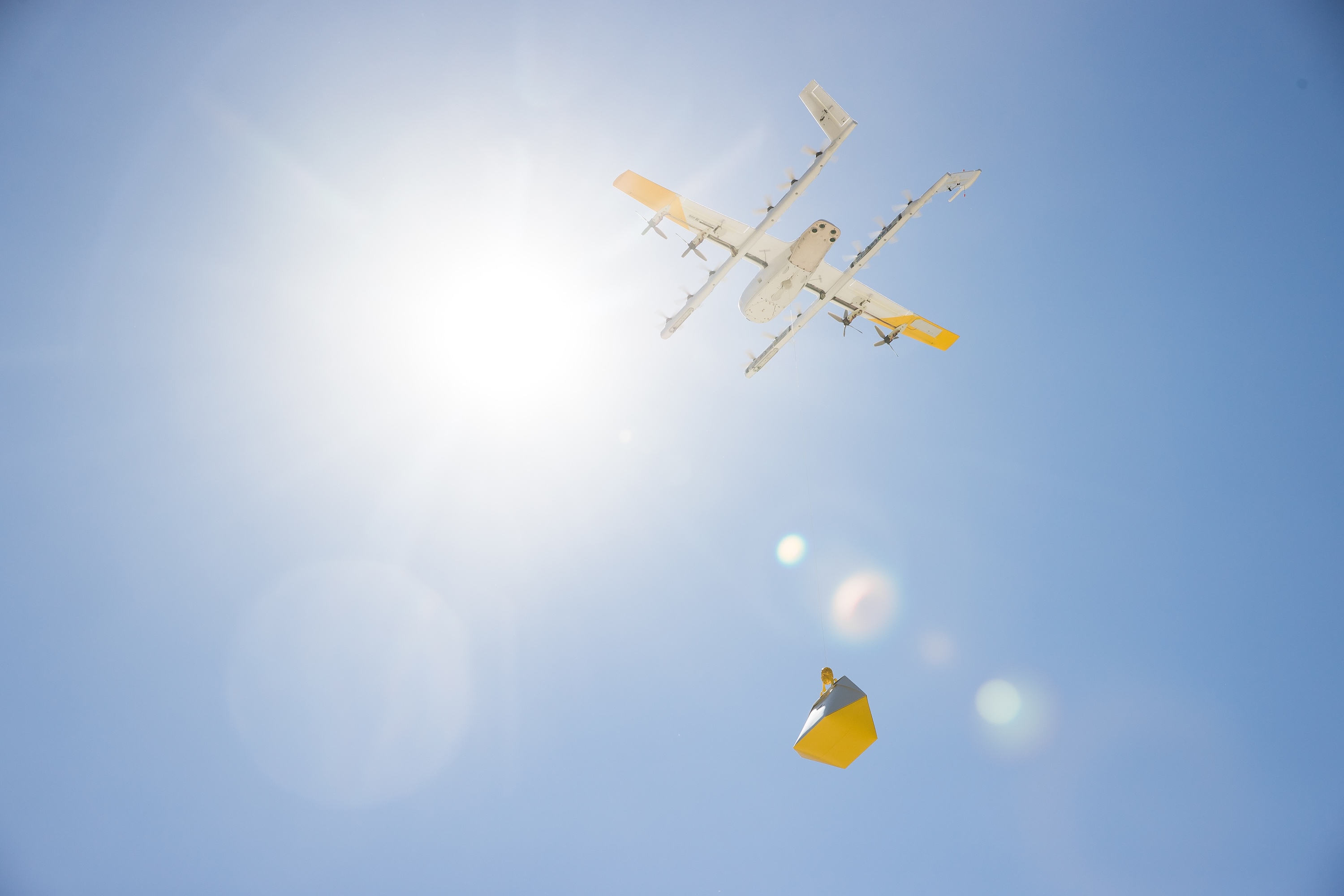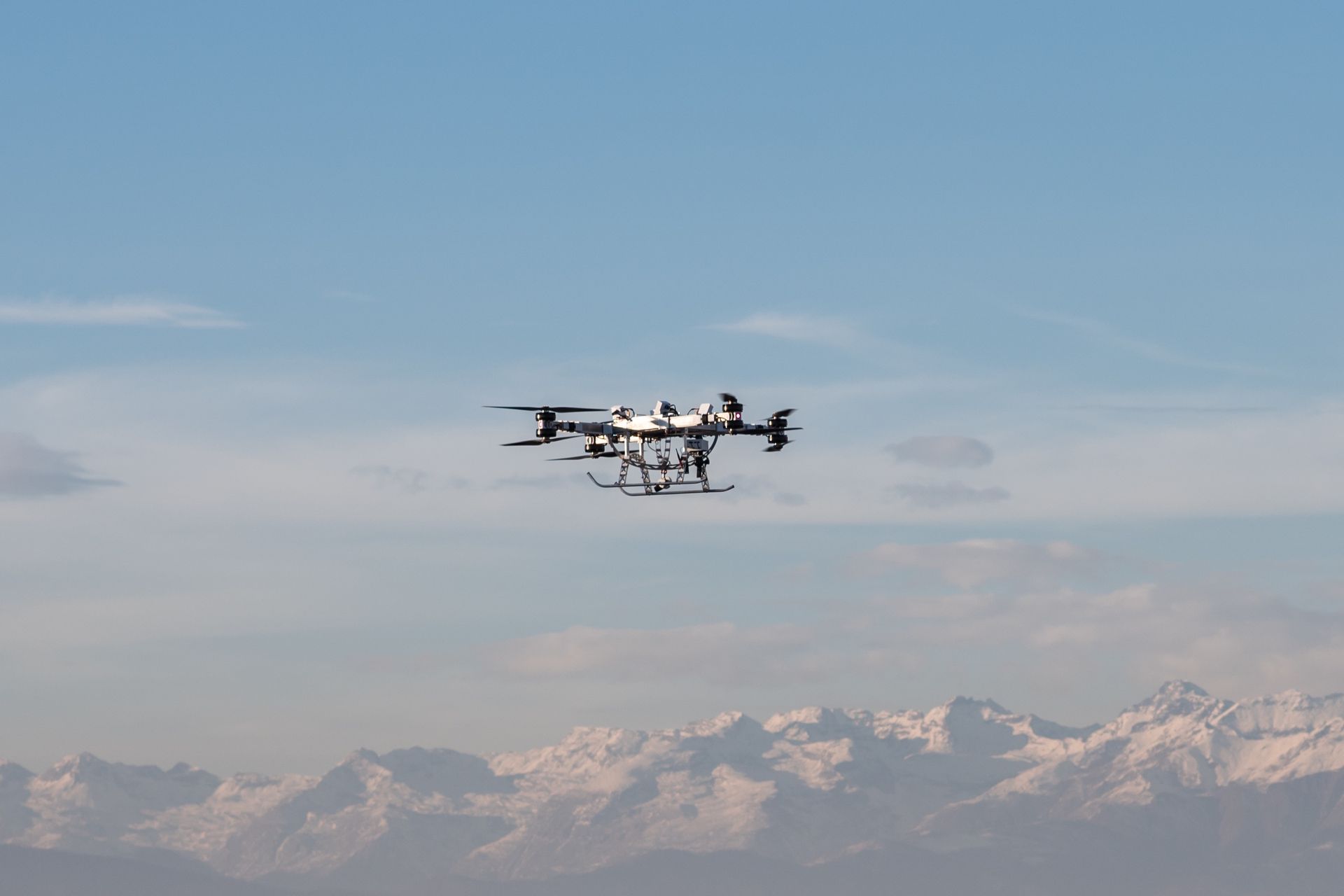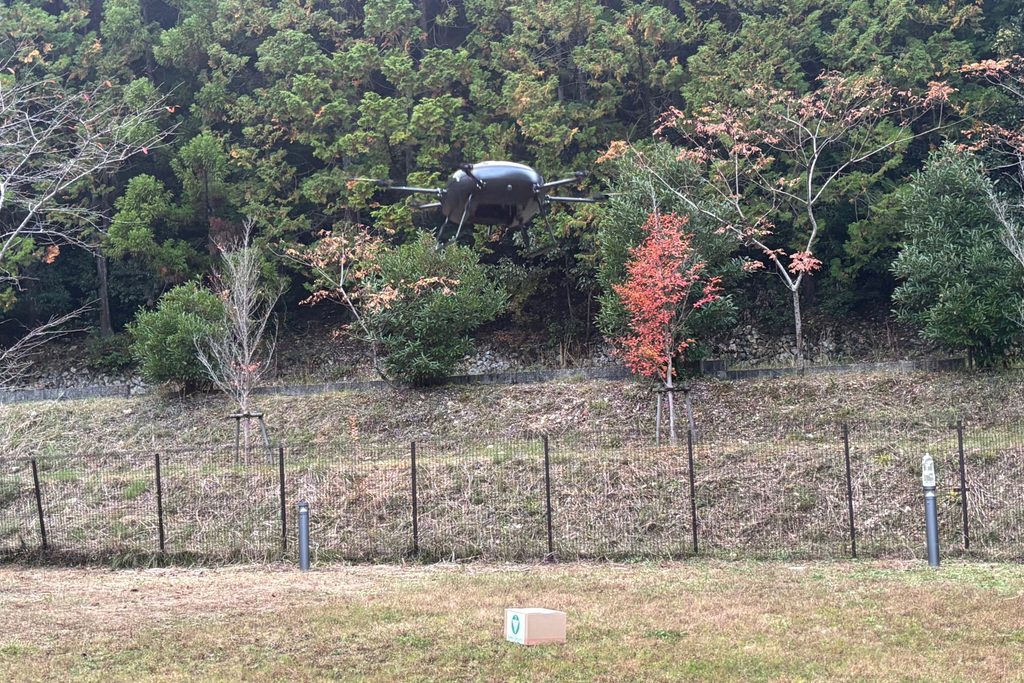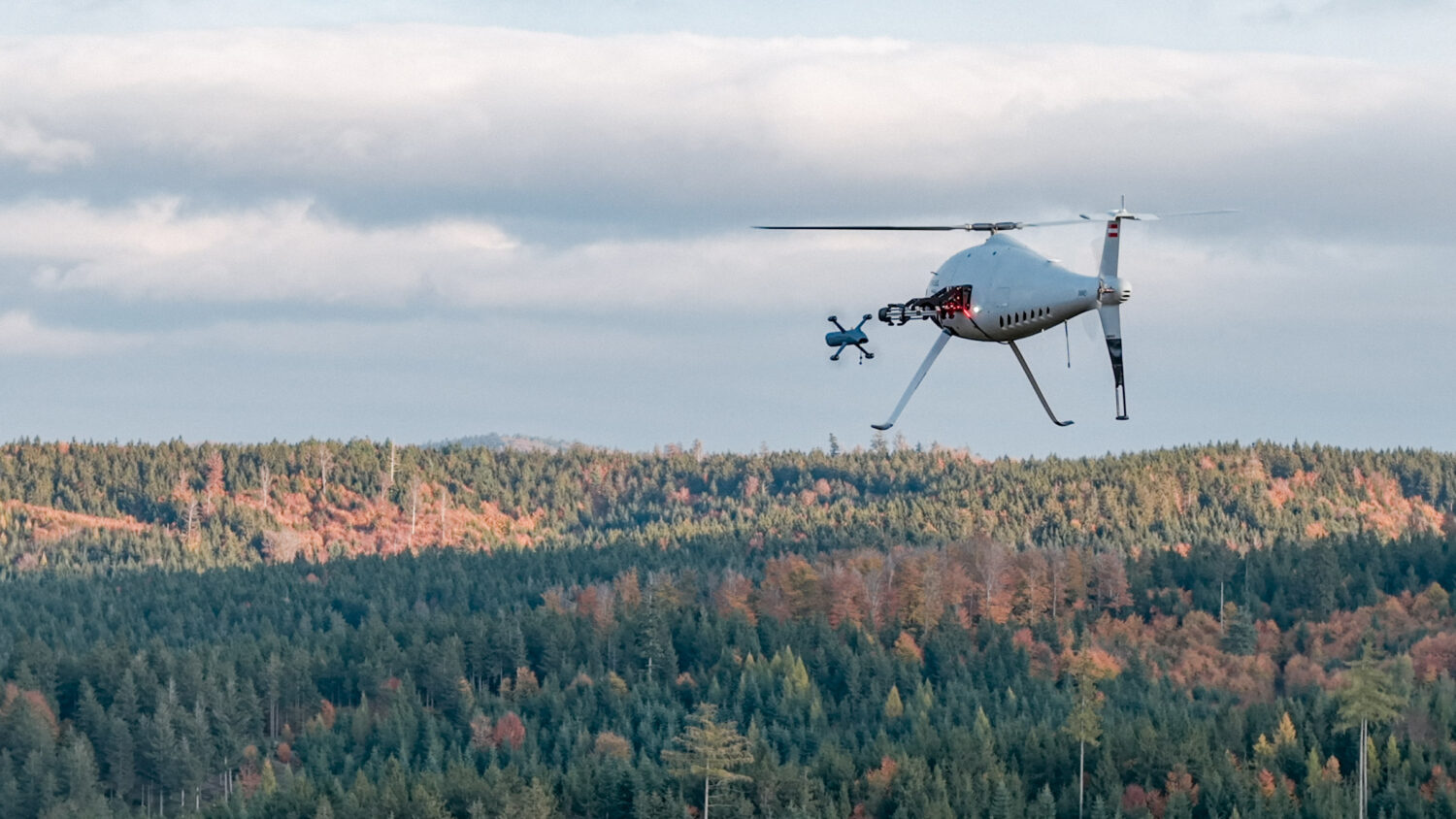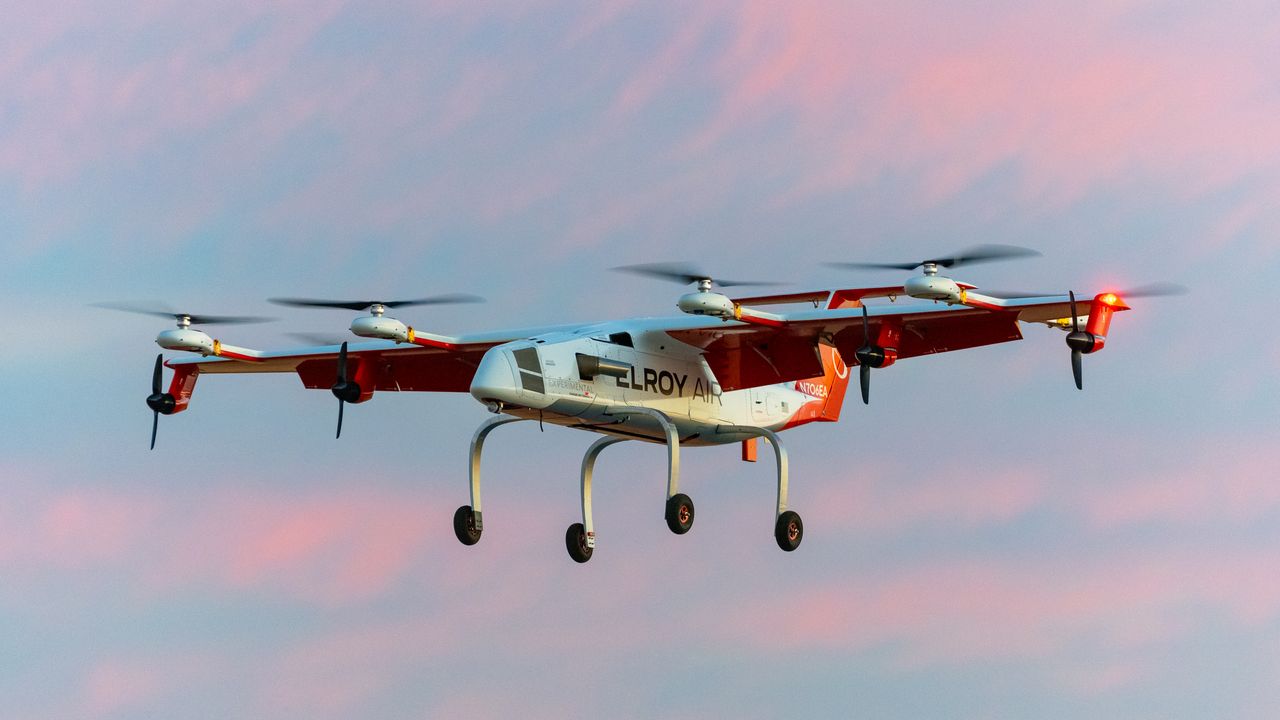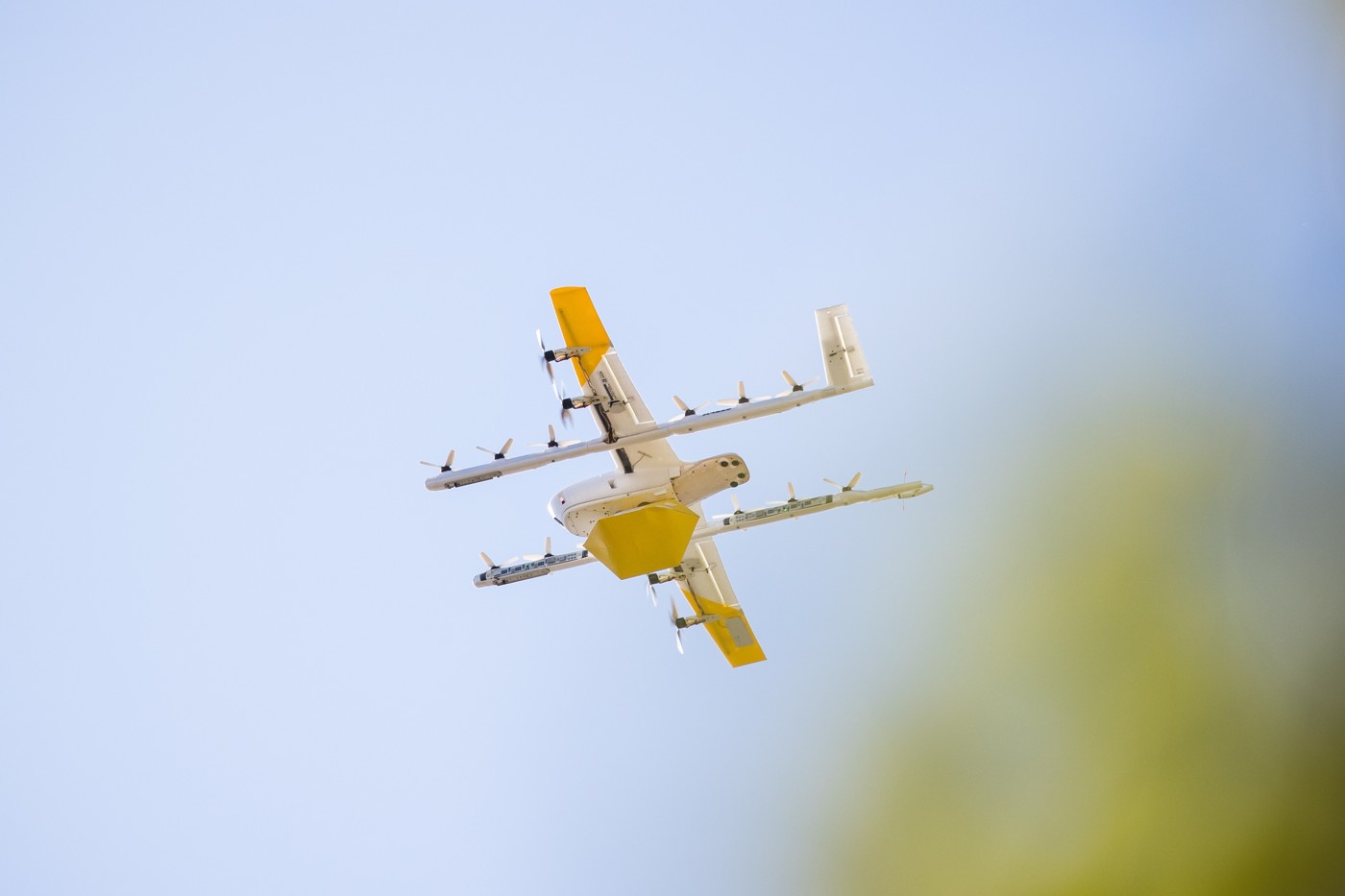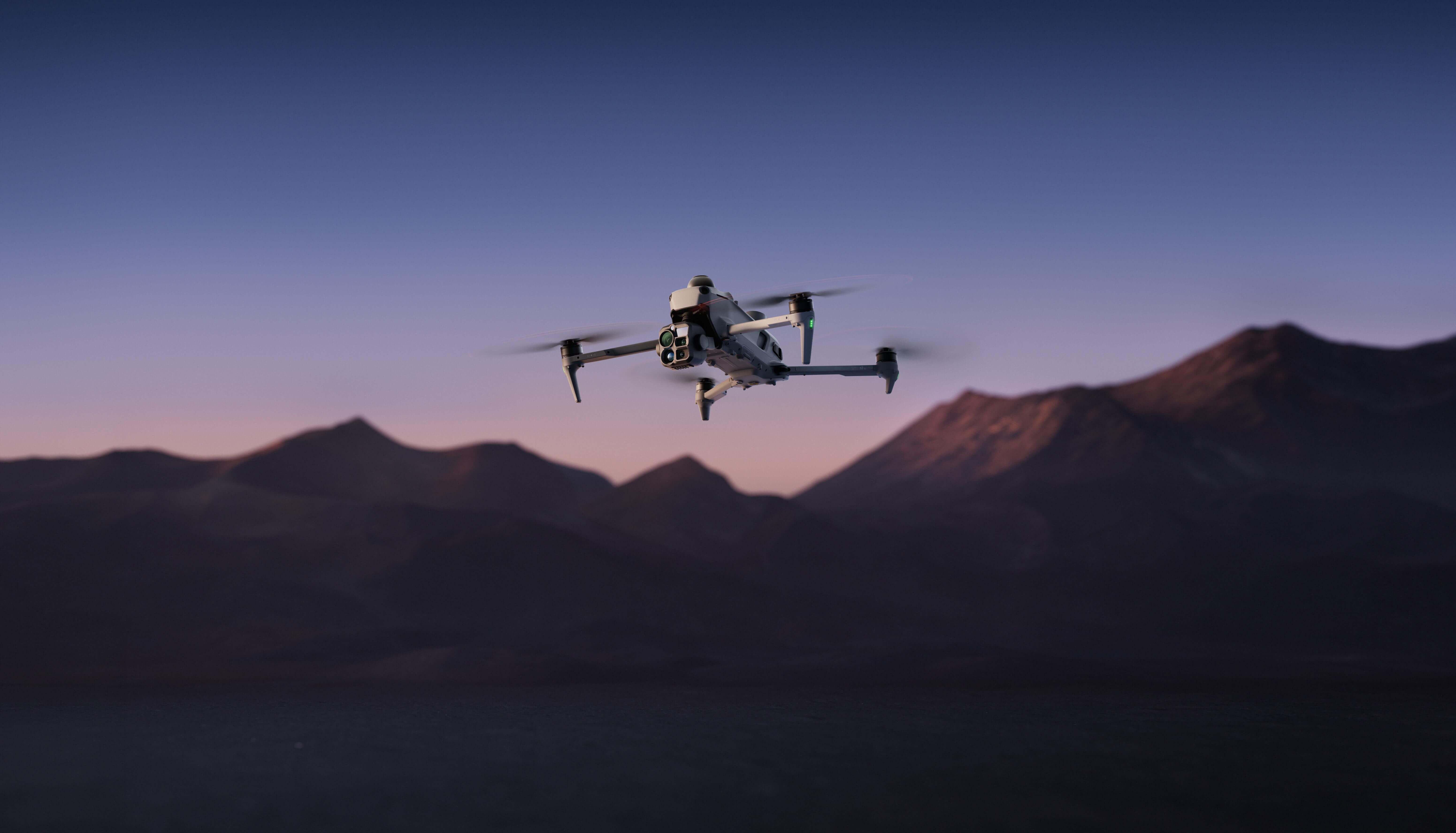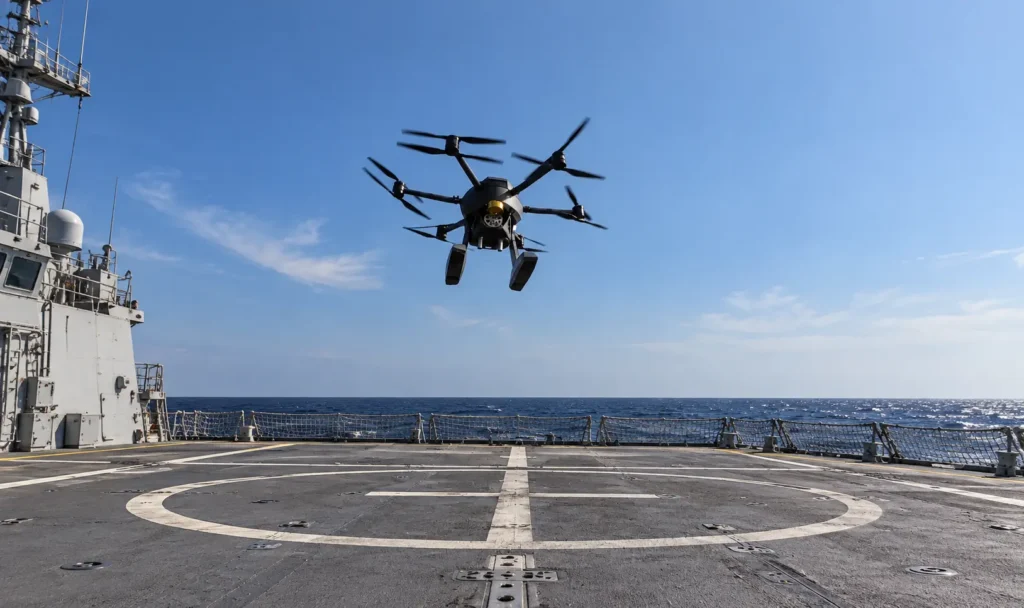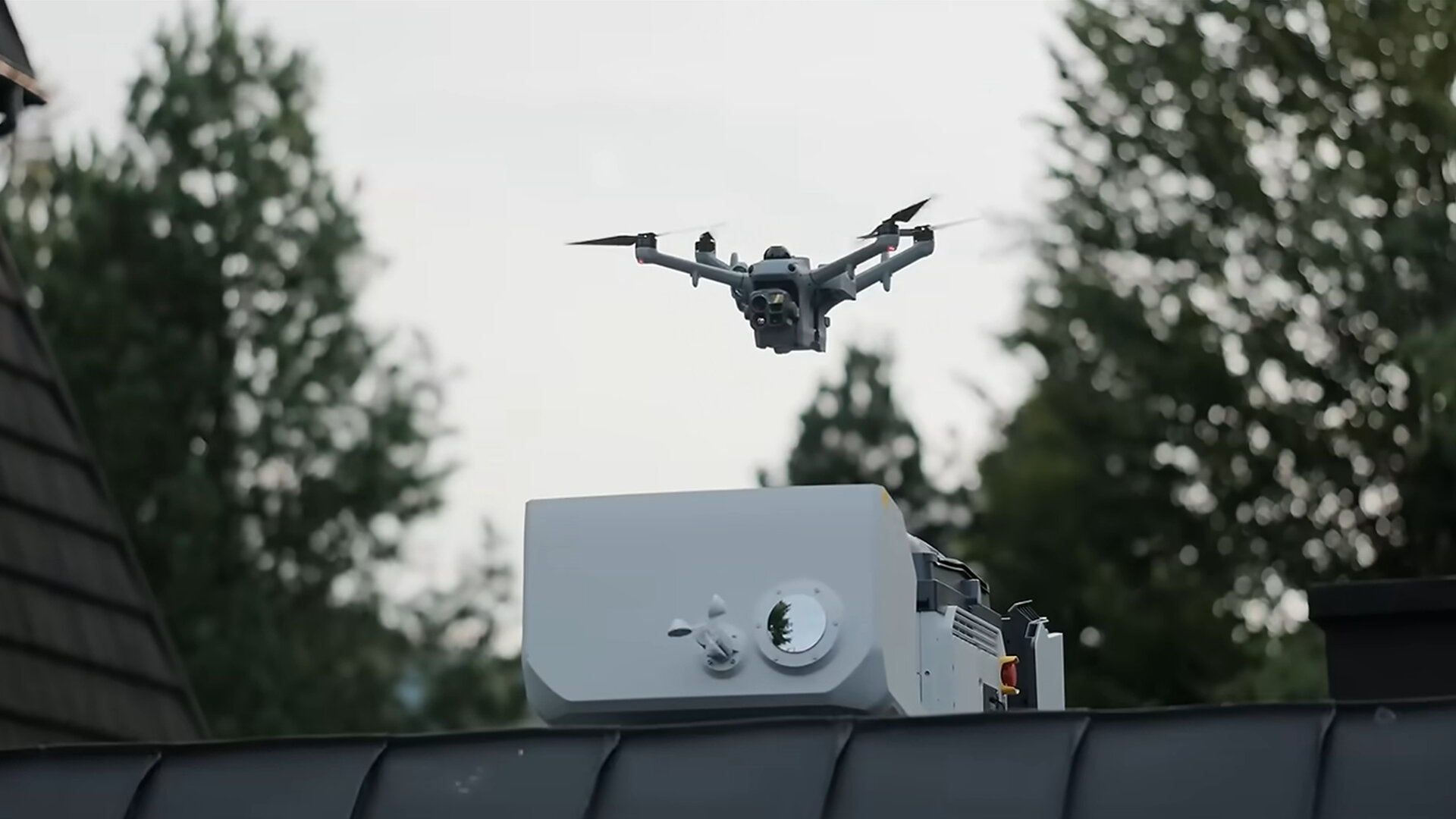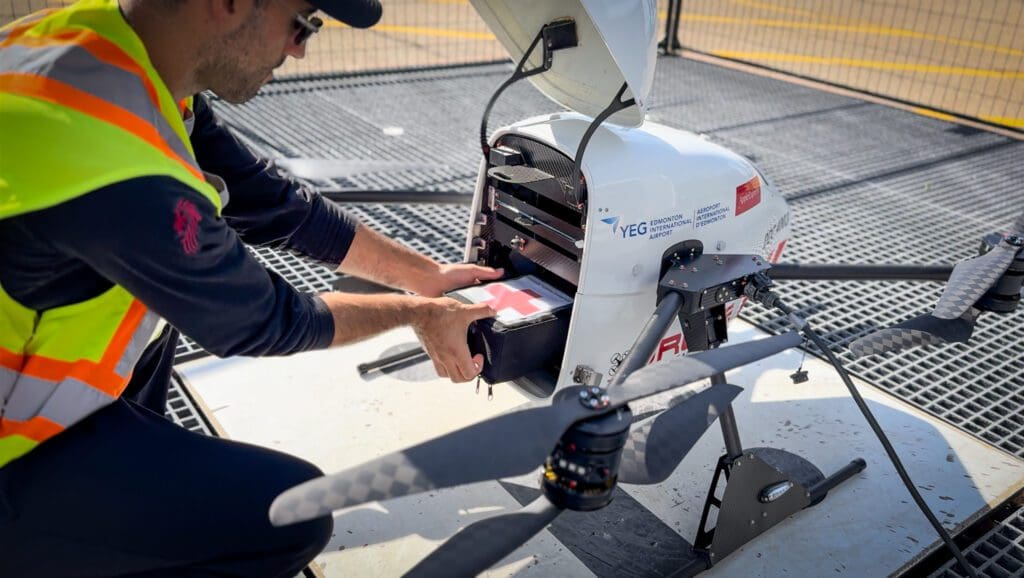
Volatus Aerospace announced on November 24 that it has signed a contract to operate a scheduled drone cargo service for an unnamed North American logistics company. The planned service will use the Canary aircraft to move shipments between two customer locations.
What the agreement covers
Volatus says the initial deployment is designed for up to six round trips per scheduled operating day. Remote flights will be managed from its Operations Control Centre in Vaughan, Ontario, with supporting infrastructure installed for the operation.
The announcement describes the Canary as capable of carrying up to 5 kg over distances of up to 30 km. Those are company-stated capabilities, not independently tested performance figures or a statement of the contracted route’s length.
The customer, route, service start date and financial terms were not disclosed. Volatus says additional routes would require a future agreement. The signed contract is the confirmed announcement; the proposed flying schedule and wider expansion remain plans.
Why scheduled flights matter
Our analysis: moving between two known sites is a useful way to examine where cargo drones fit inside an existing distribution network. It narrows the problem from reaching any doorstep to serving a defined connection with repeatable loading, handoff and recovery procedures.
The practical test is consistency. Six possible round trips are a planning target, but customers ultimately need to know how many shipments arrive when needed, what happens when weather interrupts flying, and how the service connects with ground transport at each end.
For drone enthusiasts considering logistics work, the announcement points to responsibilities beyond operating an aircraft. Ground equipment, payload handling, maintenance and coordination with remote flight staff all contribute to whether a route becomes a dependable service.
The next useful evidence will be an operational start, sustained flight activity and details of the shipments served. Without disclosed prices or costs, the contract cannot yet tell us whether this model is profitable or how broadly it could be replicated.
Source: Volatus announcement, November 24, 2026, distributed via GlobeNewswire.