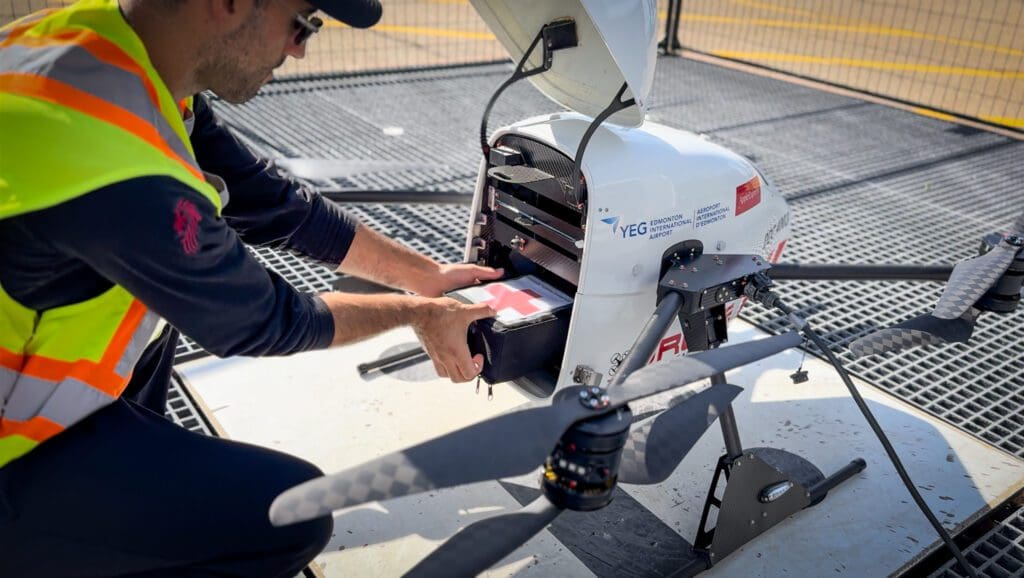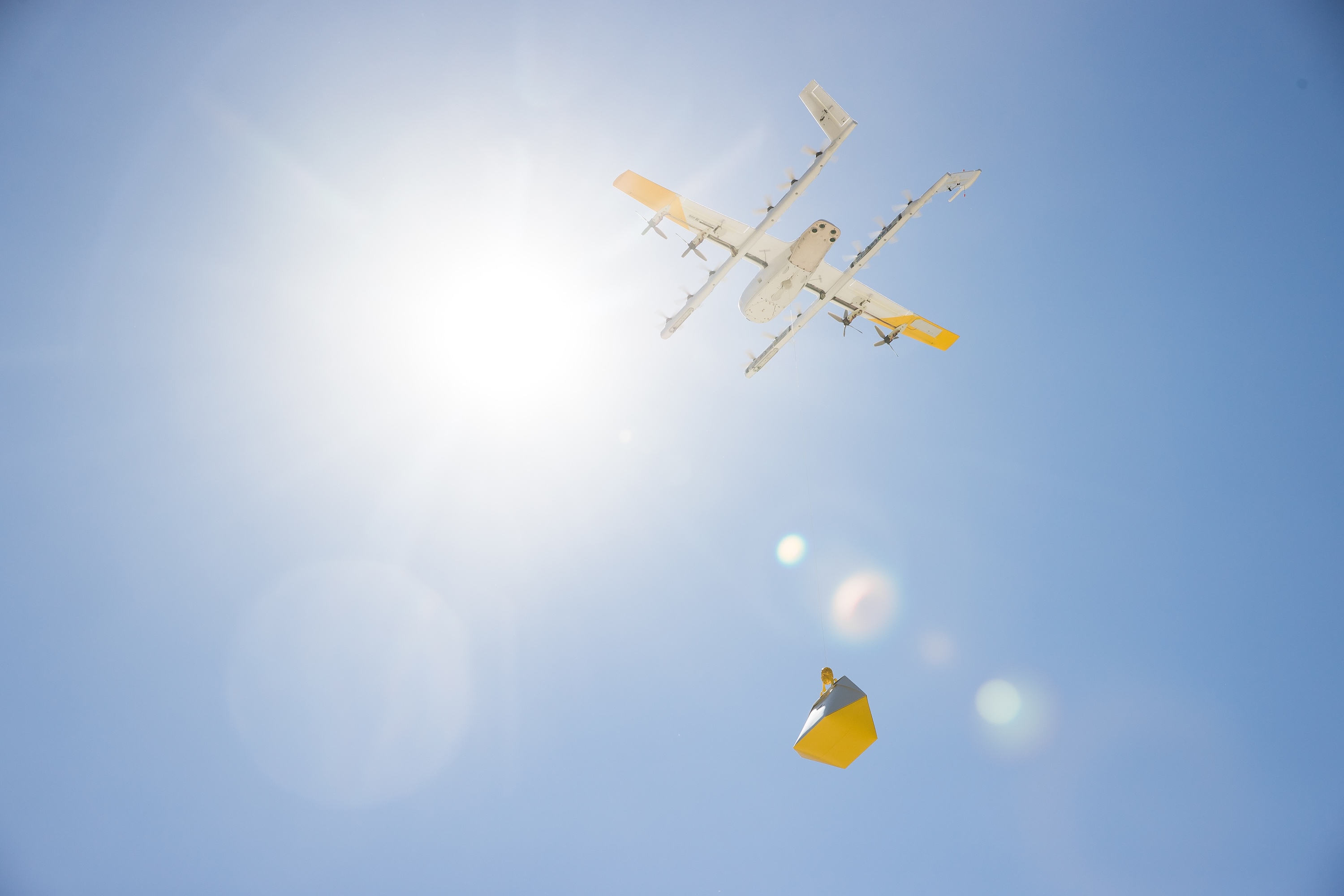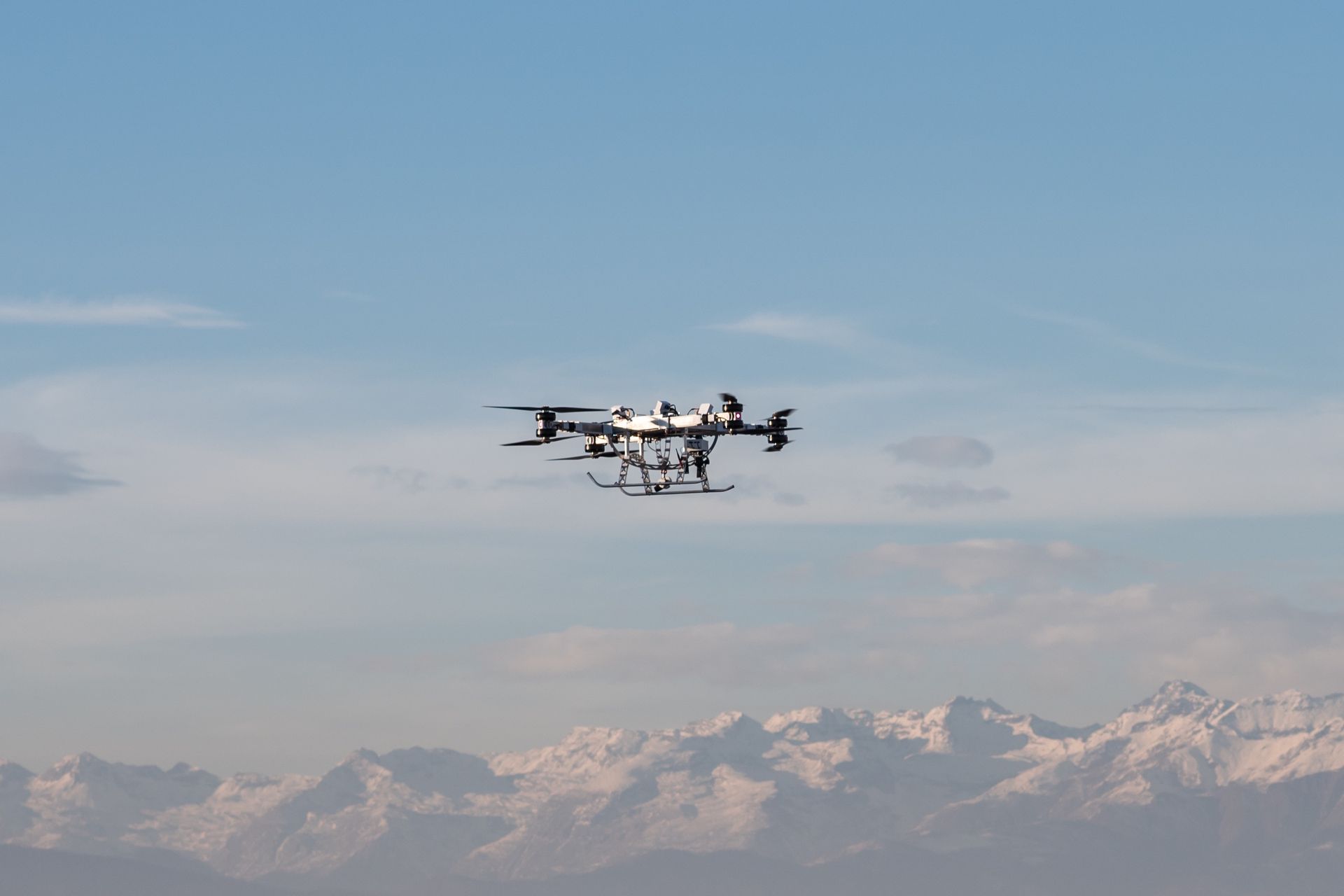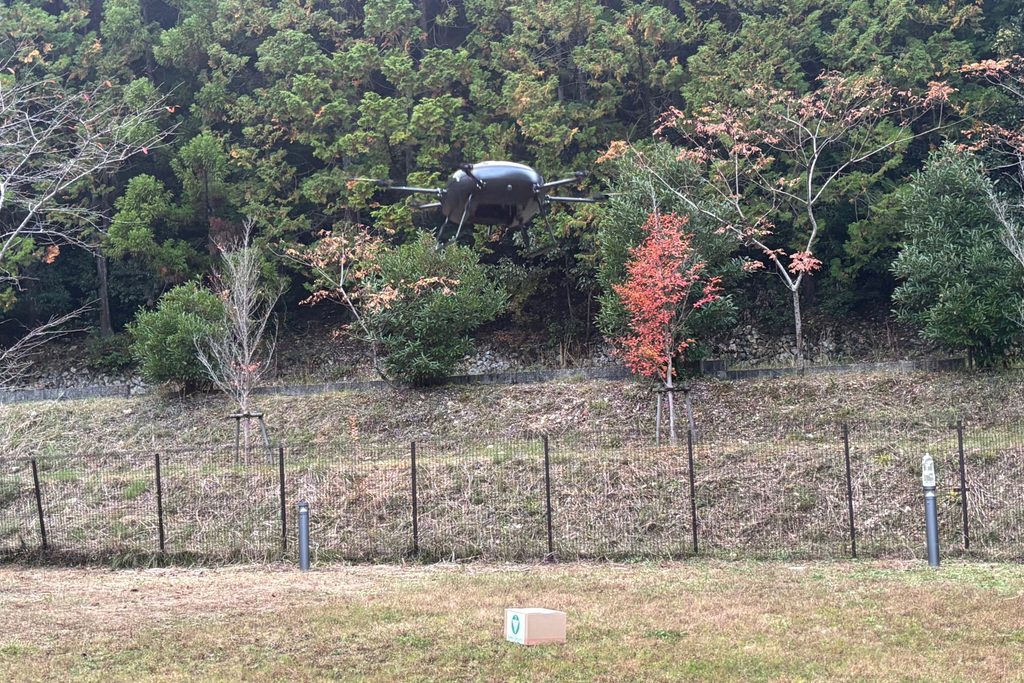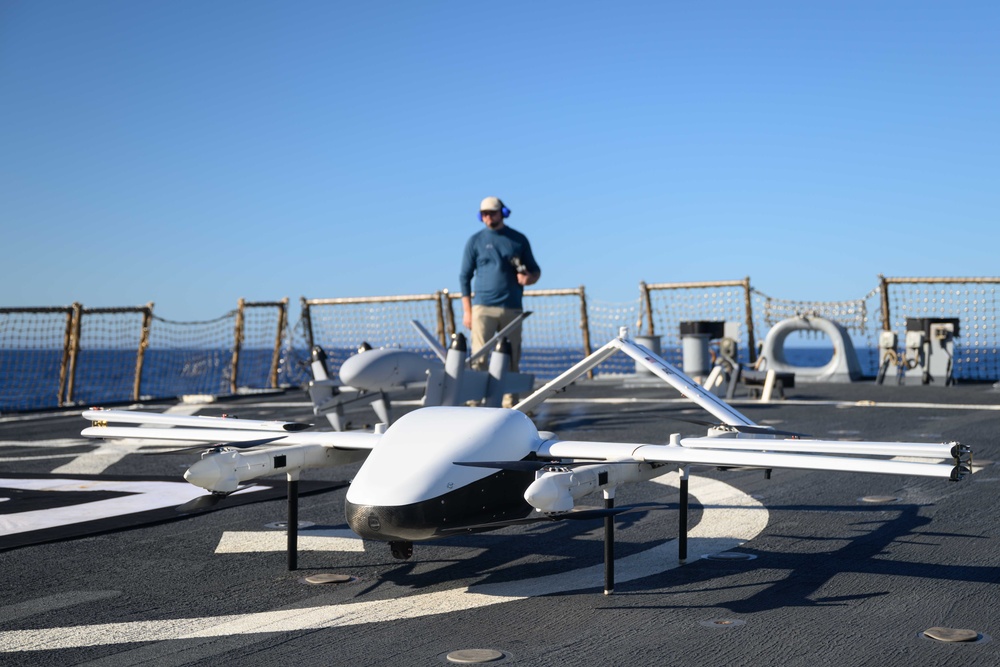
The U.S. Federal Aviation Administration announced on November 9 that it had authorized Skyways to fly a cargo drone from coastal Louisiana to a Shell platform in the Gulf of Mexico, beyond the operator’s visual line of sight. The FAA described it as its first authorization of this kind for a flight from the U.S. coast over the Gulf.
What the flight will demonstrate
Skyways plans to launch its V2 aircraft from a Shell Pipeline Company facility in Gibson, Louisiana. The flight will combine an inspection of the corridor along a pipeline with a simulated equipment delivery at the offshore platform. The announcements confirm the authorization. The demonstration itself is still planned, and the delivery is part of the test.
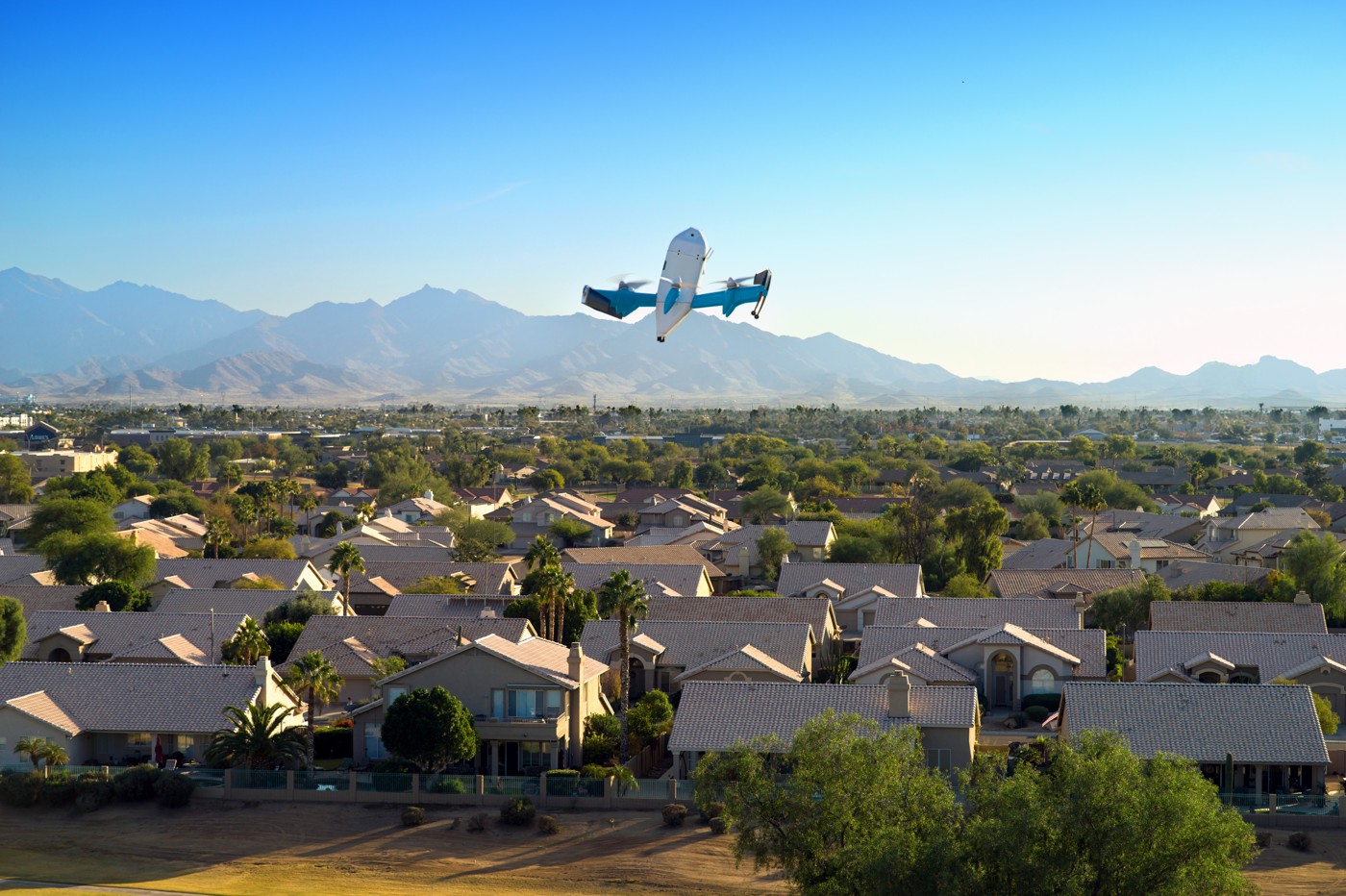
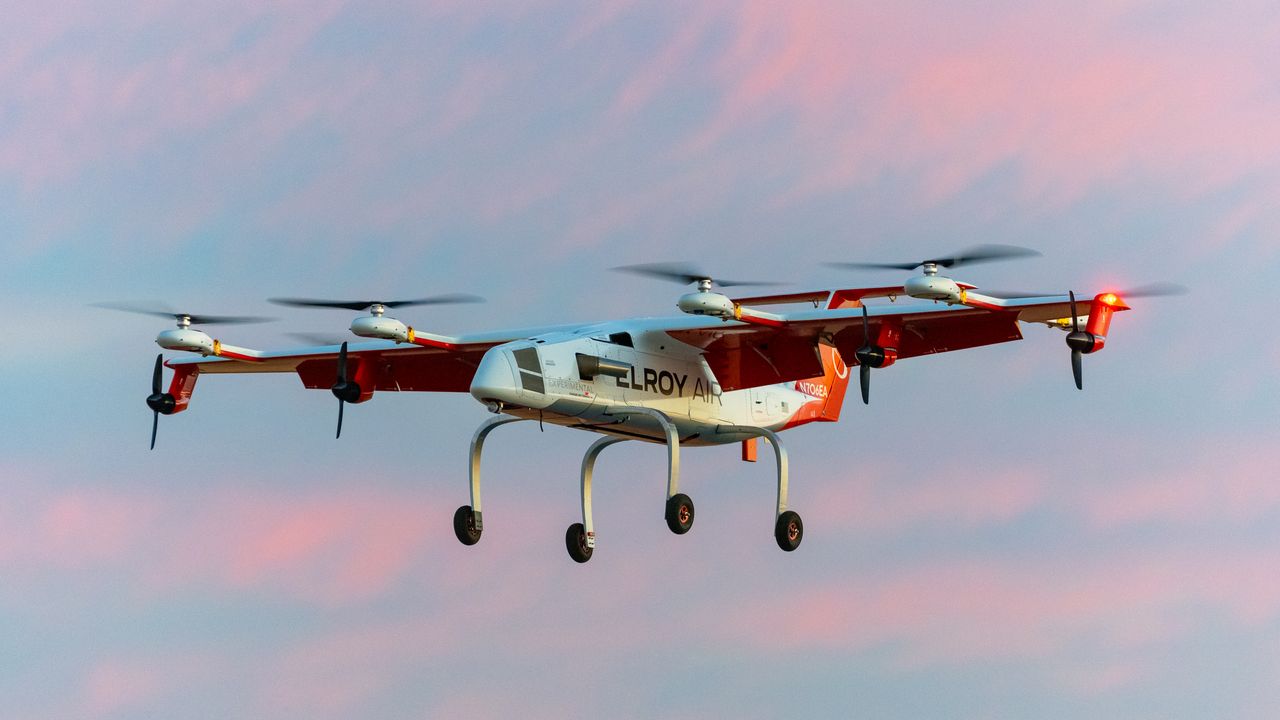
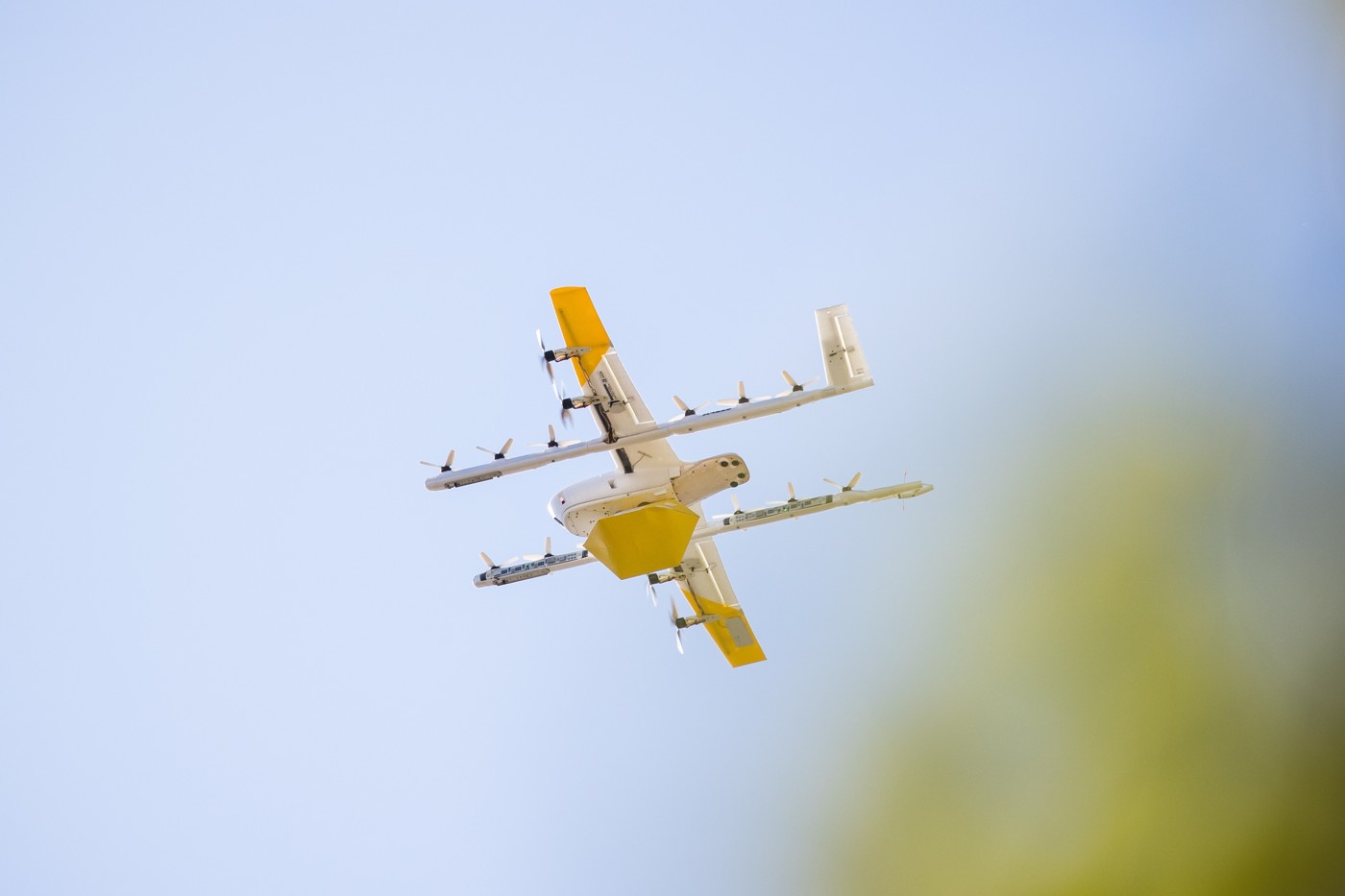
Skyways says the V2 uses electric motors for vertical takeoff and landing, a fuel-powered engine for cruise, and a satellite link for command and control. Vertical flight lets the aircraft use a platform without a runway, while wing-borne cruise covers the distance from shore.
Why it matters to drone enthusiasts
For pilots who mostly fly multirotors, this mission shows why long-range industrial aircraft may split the job between different propulsion systems. The aircraft needs to hover around takeoff and landing, but it spends much of a shore-to-platform flight moving forward. Combining inspection and cargo on one trip could make better use of that transit time if both jobs can be completed reliably.
The next milestone is the flight itself. It will show whether the team can collect useful inspection data en route and carry out the simulated handoff at the platform. The FAA authorization applies to Skyways’ operation under its waiver, so other operators still need their own applicable permissions.