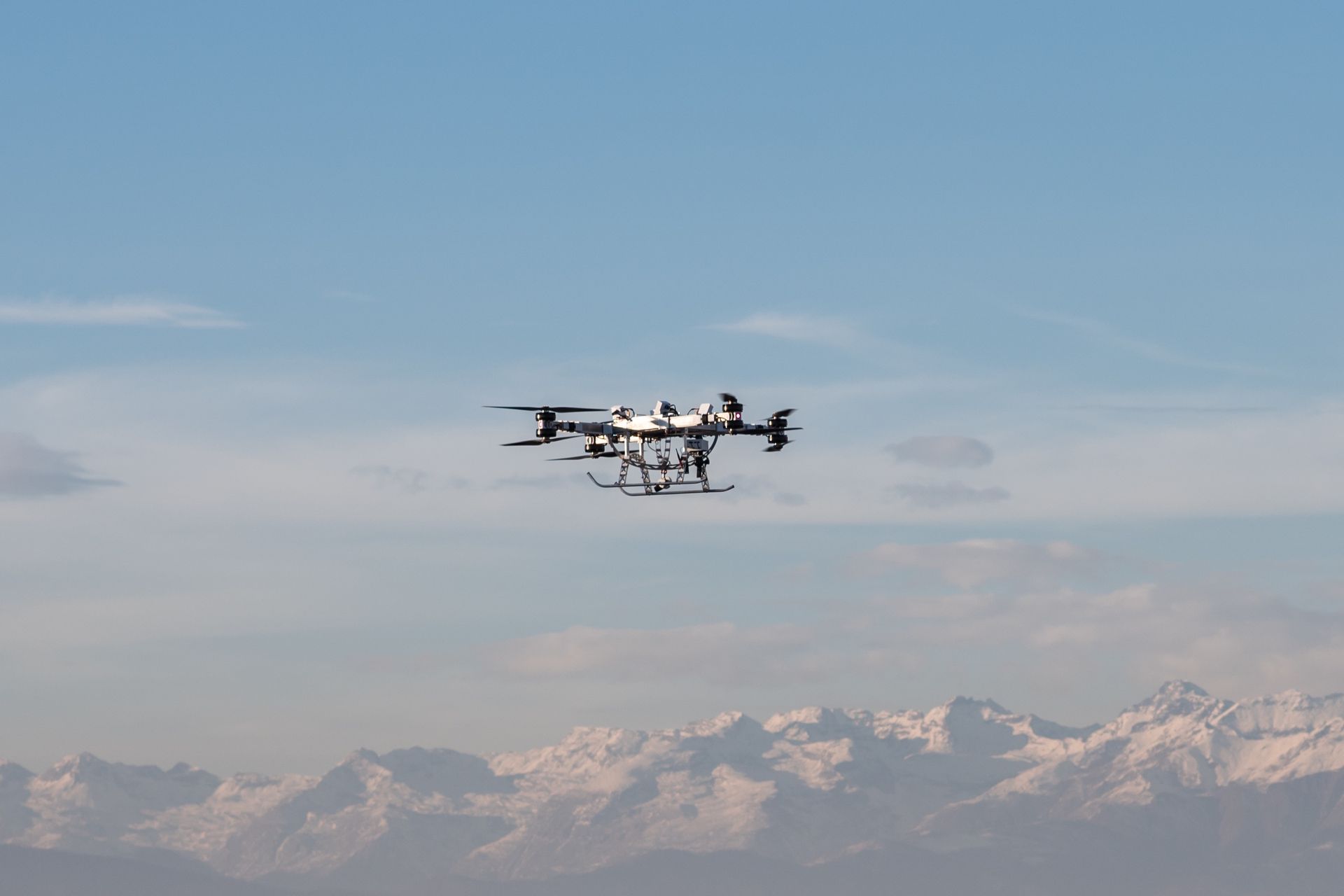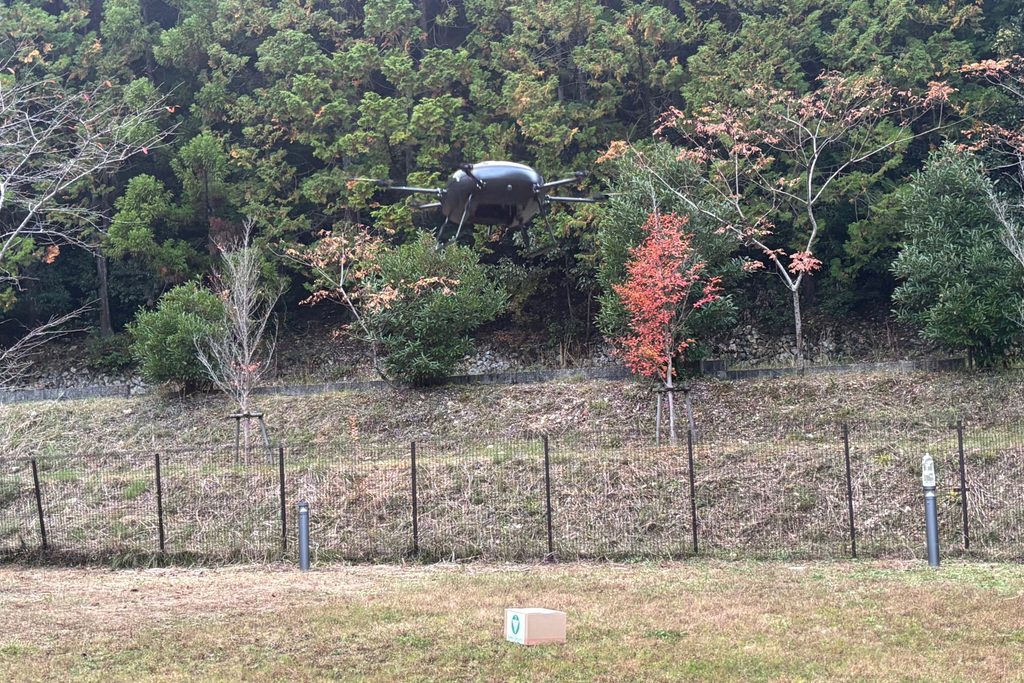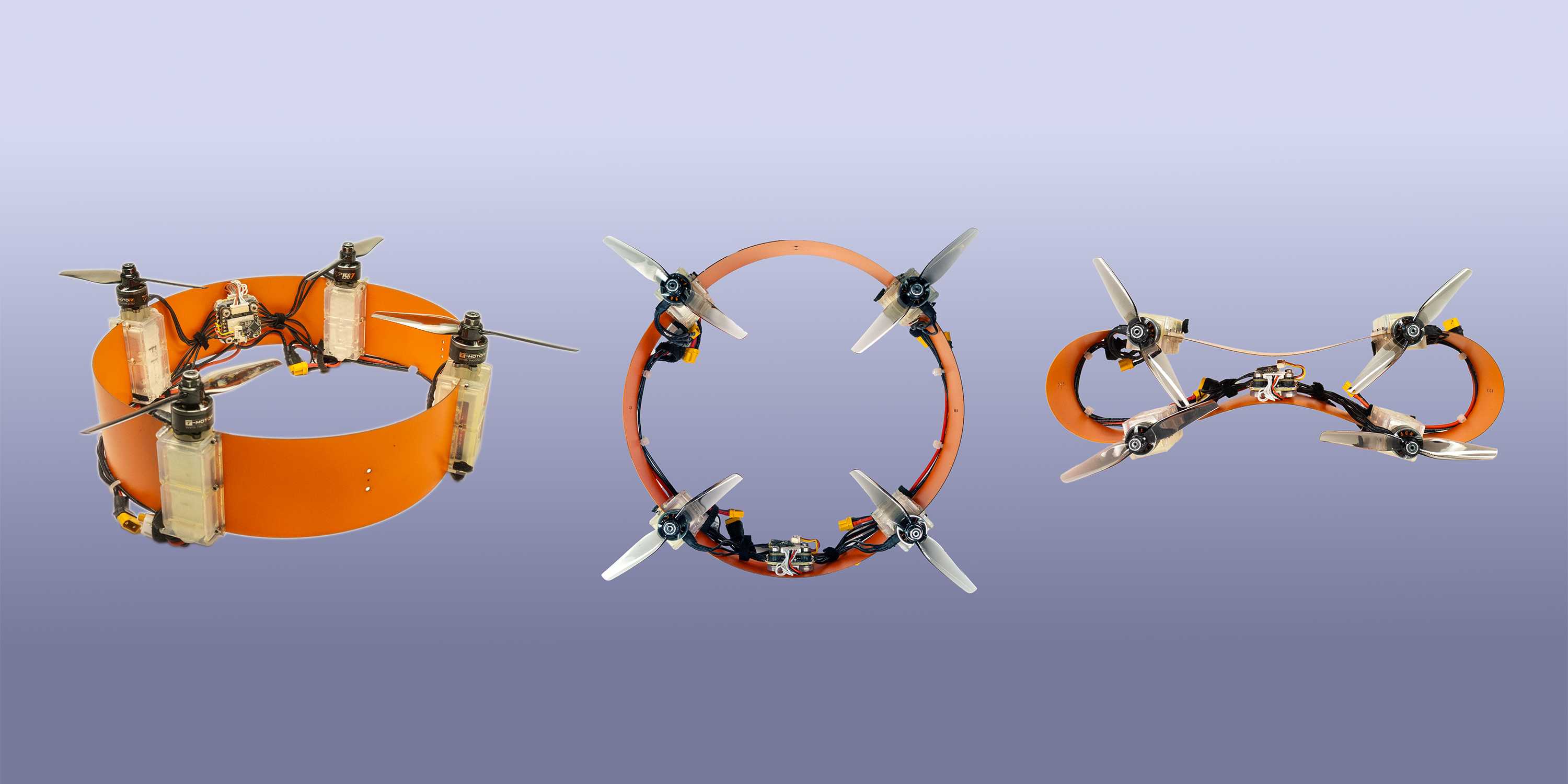
The University of Hong Kong has highlighted PULSAR II, a research drone that uses one motor and its own spinning body to sense its surroundings. The university’s November 17 announcement describes autonomous flights through forests and underground car parks, rather than a commercial product launch.
One motor, a rotating view
HKU says a vertically mounted LiDAR sweeps through different directions as the aircraft rotates. This lets the drone extend its view without adding a separate rotating sensor mount. The system combines mapping, obstacle avoidance and flight control onboard, without GPS, external motion capture or a ground computer during the reported field tests.
The university reports flight speeds above 6 metres per second in those environments. A protective frame and disturbance-aware control also helped the aircraft remain in controlled flight during the team’s collision experiments.
The underlying paper by Nan Chen and colleagues was first published in Nature Communications on May 21, 2026. The November announcement is HKU’s account of that work; the research itself is not newly published. These results come from the researchers’ tests, and Broken Rotors has not flown the prototype.
Why it matters
Our analysis: the useful idea is making an aircraft’s movement serve two purposes. Rotation is part of the flight design, but it also helps a sensor observe more of the surrounding space. That is a different route to coverage from attaching another sensor or gimbal.
For enthusiasts interested in mapping and inspection, it highlights a practical distinction: seeing an obstacle, locating the aircraft and choosing a safe route are separate tasks that must work together. A detailed point cloud alone does not make a flight autonomous.
The next questions concern reliability across different surfaces, lighting and layouts, and the trade-offs of continuous body rotation for useful payloads. The demonstrated flights are promising research evidence, but they do not establish a ready-to-buy replacement for a survey or inspection drone.
Sources: HKU’s November 17 announcement, including prototype images · Original research paper, published May 21, 2026.