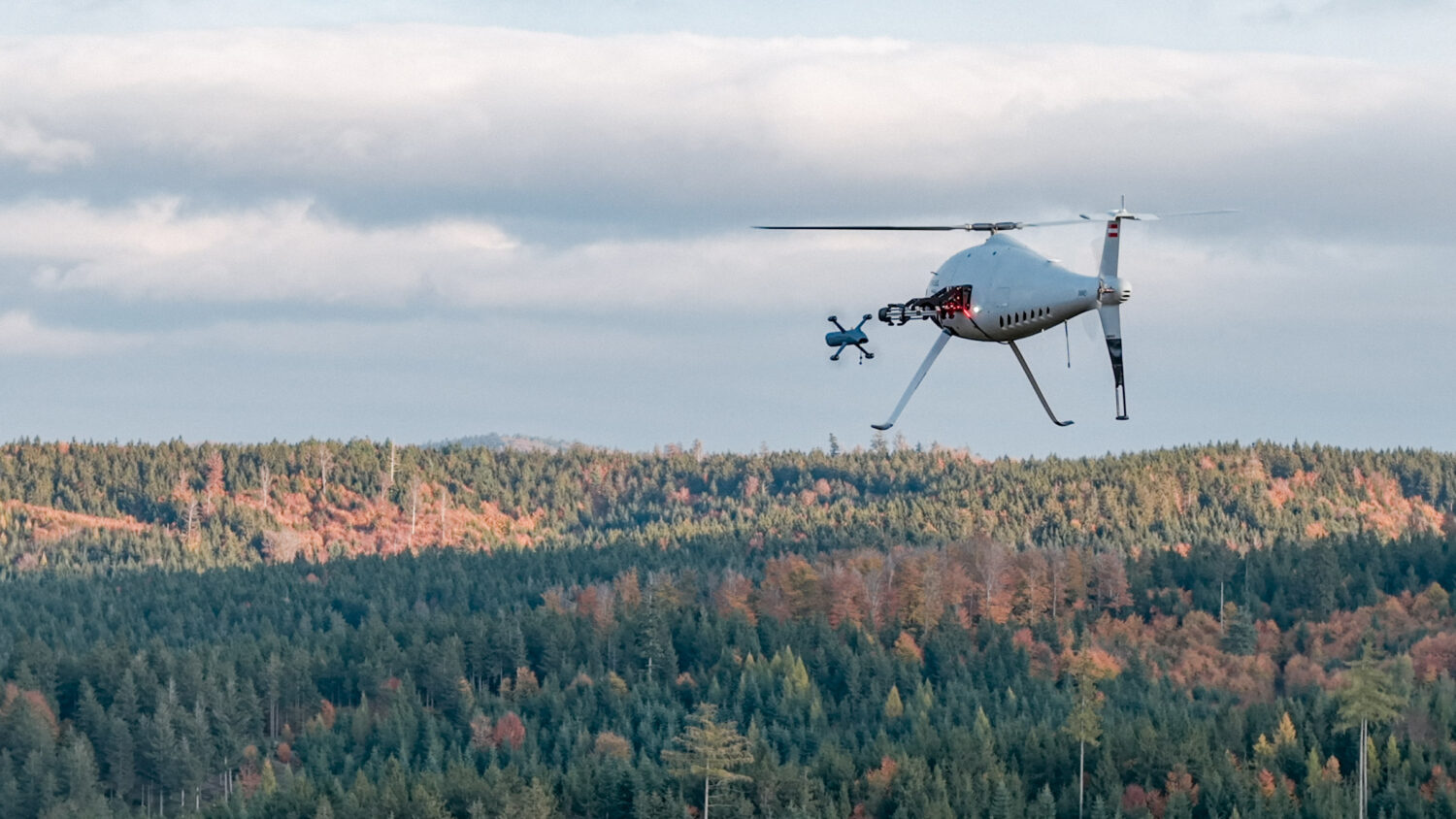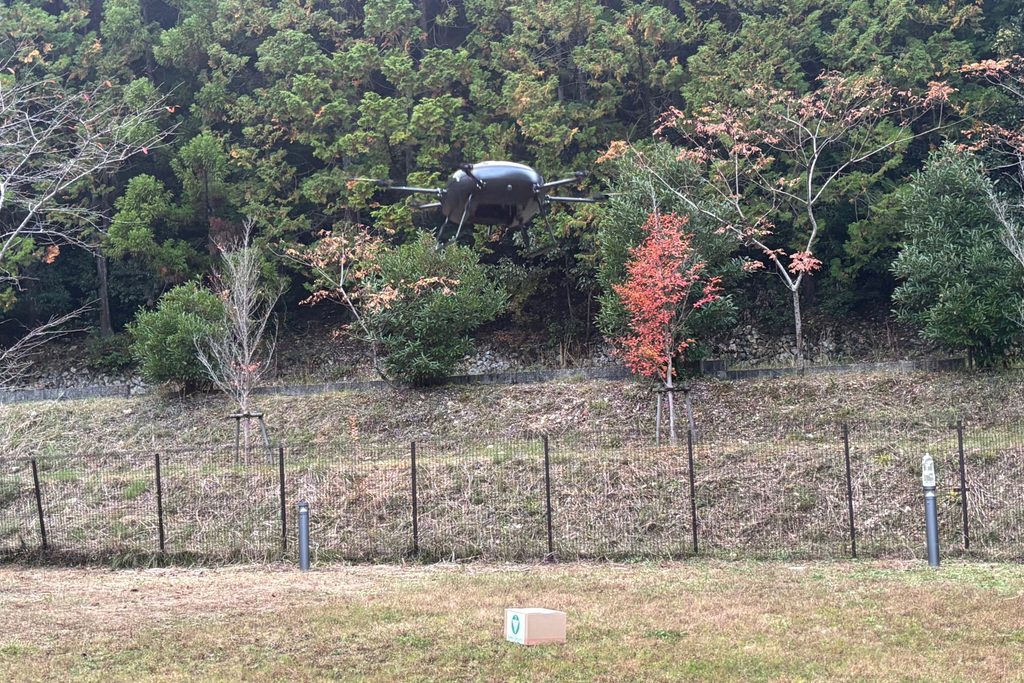
Aeronext and local partners have tested drone delivery of medicines in Shinshiro, a mountainous part of Japan’s Aichi Prefecture. A November 20 announcement describes a trial running from November 2–20, including a demonstration for reporters on November 18.
What was tested
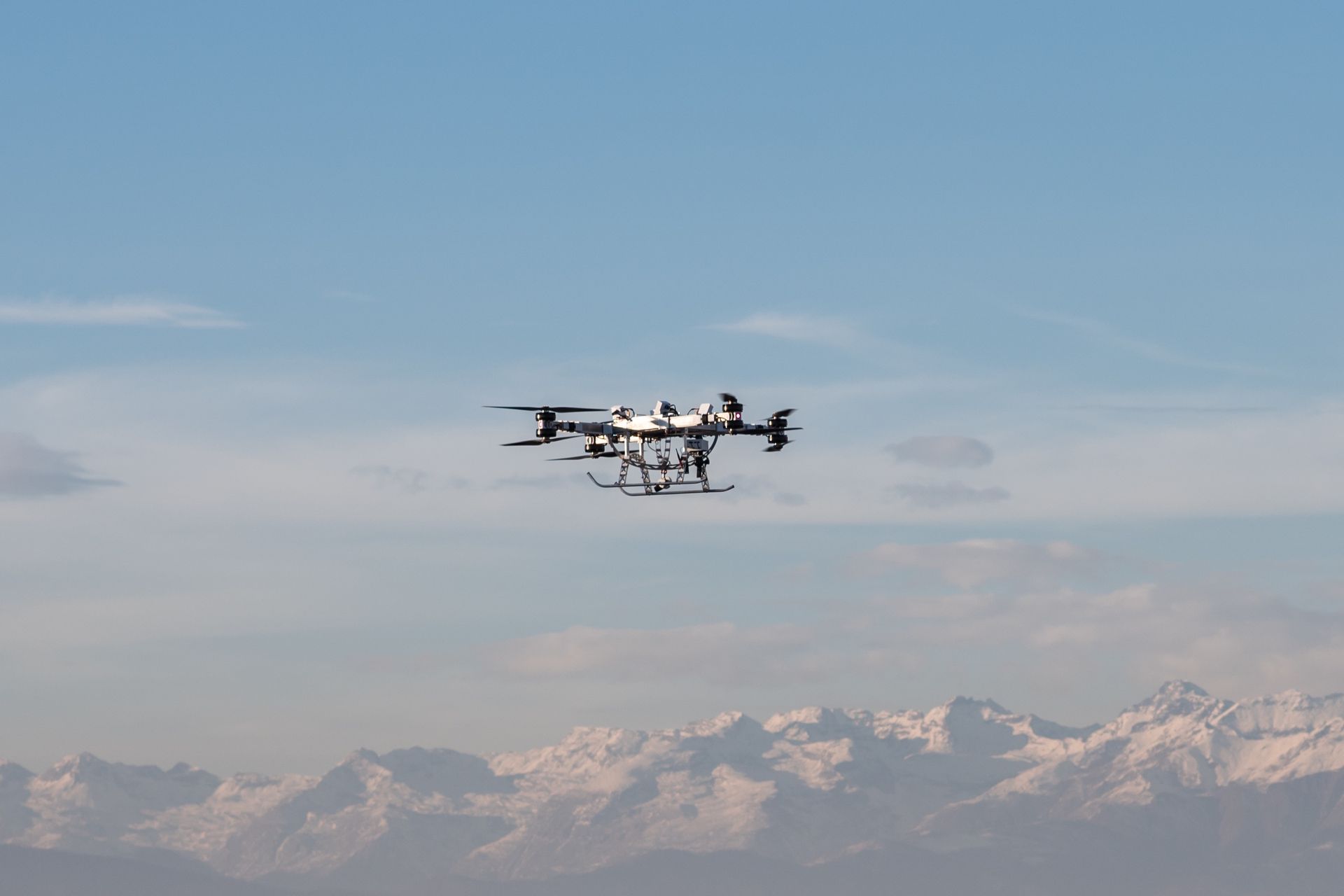
The project used an ACSL PF4 drone across three routes. Aeronext reports an approximately 8 km flight to a care facility in around 12 minutes, and a separate 5.6 km route taking around 13 minutes.
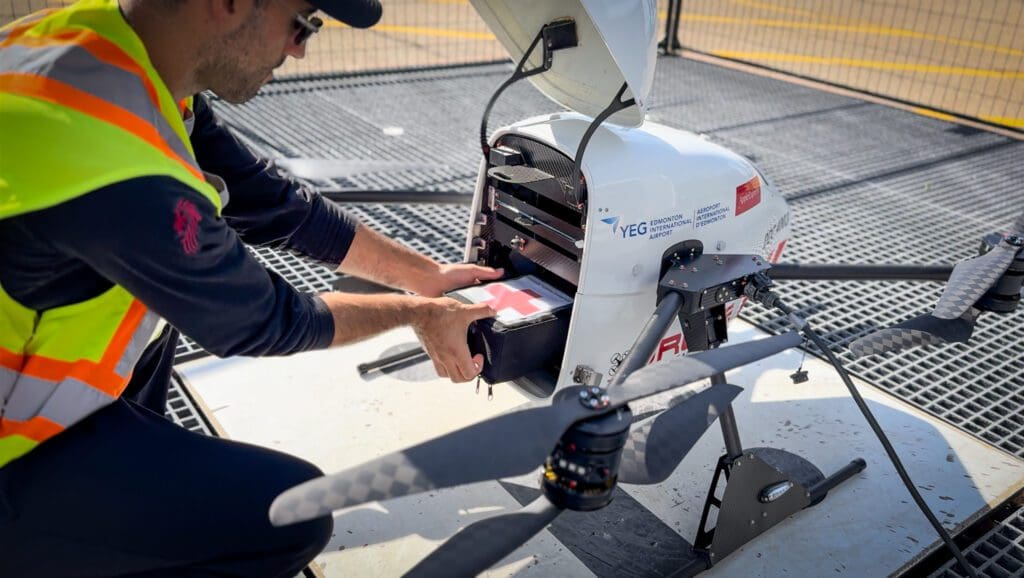
One route tested collecting medicines directly from a pharmacy: staff loaded a dedicated box onto the aircraft before it continued to a care home. Green Service, a local medicine-delivery company, handled operations after staff training. Remote flights were managed from its base in Tsushima.
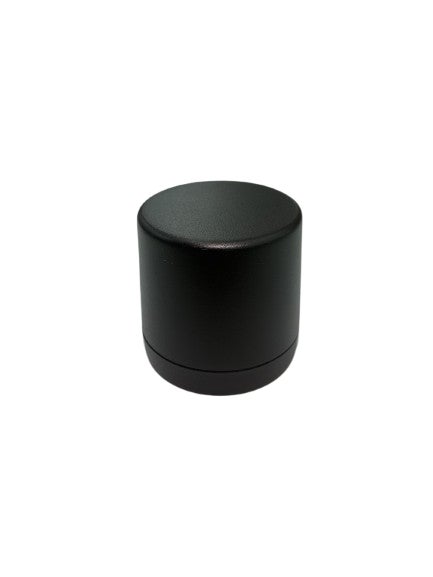
The delivery box used a fingerprint lock for the registered nurse receiving it. Aeronext says the partners will examine operational data and remaining problems before pursuing routine services. The announcement reports a demonstration, rather than the launch of a permanent commercial route.
Why the handoffs matter
Our analysis: the important part is how drone flights fit into an existing delivery job. A medicine shipment involves collection, loading, receipt and responsibility for the package. A shorter airborne journey is useful only if those handoffs work reliably.
Having a local carrier operate the aircraft is also a practical test of whether a service can become routine. Training and repeatable ground procedures matter alongside flight performance. For drone enthusiasts considering logistics work, the project illustrates why operational skills extend beyond flying the aircraft itself.
These reported flight times should not be read as end-to-end delivery times or proof of cost savings. The next useful evidence would be how consistently the routes can run, how much staff time the full process requires and whether the service can sustain its costs.
Source: Aeronext announcement, November 20, 2026 (Japanese).